
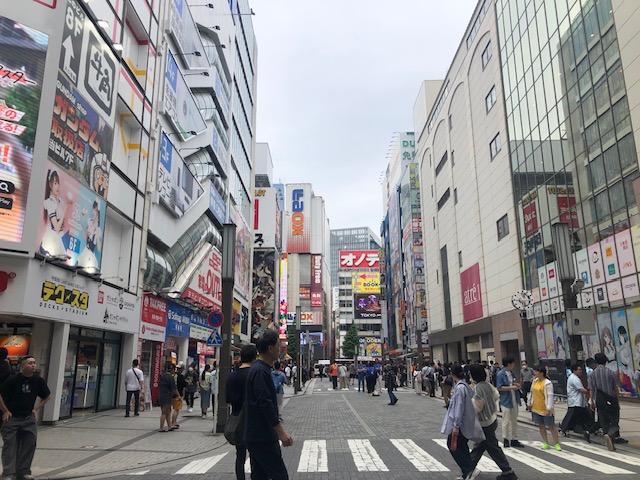

Japan’s capital city of Tokyo is an embodiment of the country’s culture and commerce: ultramodern skyscrapers wrapped in bright neon lights, towering billboards of anime characters, and lightning-fast trains and subways juxtaposed with centuries-old temples and palaces, carefully curated gardens and sumo wrestling tournaments. Those stories you’ve heard about Japan’s cleanliness and efficiency? All true. Their trains are on time to the second, their transport stations smell like lemongrass, and the first time we saw a piece of trash on the ground was nine days into our trip.
Home to about 15 million residents, Tokyo is located on the main Japanese island of Honshu. While Japan was closed to tourists for nearly three years during the pandemic, tourism to the country and specifically Tokyo has exploded since early 2023. From January to May 2024, 14.6 million visitors descended into Japan, with most of them passing through Tokyo. Unlike Japanese cities like Kyoto, where landmarks and points of interest are more concentrated and the economy is more tourism-centric, Tokyo can be enjoyed like a local. With greater Tokyo comprising 23 special wards, 26 cities, 5 towns and 8 villages, there is an unlimited number of unique attractions to check out.
Sober readers of The Temperate Traveler should know that while Japan is famous for sake, it’s not necessarily known for its drinking culture. There are certainly bars and clubs, and wine menus at restaurants, but alcohol is not a focal point in Tokyo–a plus for the non-drinking traveler. In this city, you will have no shortage of booze-free activities to partake in.
We bookended our bucket-list Japan trip with four total days in Tokyo, where we stayed in two different wards, Shinjuku and Marunouchi, and covered as much ground as humanly possible during that time. You could spend years here and not see everything, but this guide will touch on the essential things to know, places to explore and things to do for a sober traveler spending time in Tokyo.


Planning a Sober Trip to Tokyo
Booking your Flight to Tokyo
Tokyo is served by two major airports, Narita and Haneda. While other blogs will tell you to fly into Haneda because it is physically closer to the city, very few airlines offer direct flights into that airport. American cities including Boston, New York, San Francisco, Los Angeles, and Houston all offer nonstop flights into Narita, which is about an hour from Tokyo Station via Narita Express or taxi. If you’ve read any of my other posts, you know how much I hate layovers and connecting flights, so I will always choose the nonstop option if available. We took the United Airlines flight from Newark that left mid-morning, which took about 14 hours. Easy-peasy. Unfortunately, UA inexplicably cancelled our return flight while we were sitting in the airport terminal, and we had to scramble to get home. The only option was a Japan Airlines flight to Boston with a four-hour layover, which was delayed as we twiddled our thumbs in Logan Airport. We have yet to receive an explanation or a refund from United Airlines. This may discourage us from using UA again but did reinforce my conviction about direct flights.
A word on luggage: do everything in your power to not check a bag. We both brought one backpack and a small carry-on, and it saved us many a headache. Not only did we already have our luggage with us when our return flight got cancelled, but we didn’t have to lug around heavy bags as we traveled around Japan on public transportation.
Customs in Japan
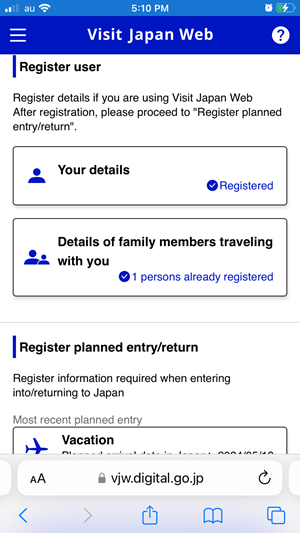
Getting through customs is a notoriously long ordeal in Japan. To make life slightly easier, you can register yourself and your travel companions on Japan Web and fill out the customs form online. You will still stand in line, but you won’t end up being one of those confused passengers furiously trying to upload the web page as you approach the customs officers.
Learn a few words of Japanese
Most Japanese citizens do not speak English, so it’s helpful to know a handful of words like Connichiwa (“Hello”) and Arigato (“Thanks”) to communicate with those around you in Tokyo. Hotel staff typically do speak enough English to check in and to answer basic questions, but not waitstaff, cashiers or others you may come in contact with. Google Translate kind of works, but it wasn’t generally helpful in the moment. However, if you are in the mood to shell out $200, there are multi-story electronic stores in Tokyo that sell pocket-sized instant translators, which were pretty amazing when we tested them out.
Budgeting for Tokyo
The Japanese yen has been weak compared to the American dollar in 2024, partly fueling the tourism boom. Since Japan is not the cheapest place on earth, this helps ease the hit to your wallet. I purchased about $300 worth of yen from my bank prior to our trip, because while Japan is a very developed and modern country, cash is still widely used. A common denomination, 5000 yen, is equal to about $34 in US currency.
In Tokyo, you can really choose your own adventure, budget-wise: You could stay at The Four Seasons for a bazillion dollars, or at a well-appointed 3-star hotel for less than $200 a night. You can schedule a private tour, or explore on your own. You can spend the day at Tokyo Disneyland, or take a train ride to the beach. For us, we didn’t actually spend much money outside of our initial private day tour, and we didn’t have to. Tokyo offers so much to see, much of it for free. Most of our meals together were less than $30, subways cost a few bucks round-trip to get to any neighborhood we desired, and even tickets to the Ueno Zoological Gardens were only 600 yen ($3.75) each.
When Should I Plan My Trip to Tokyo?
We strategically chose mid-May to travel to Tokyo, right after cherry blossom season and Golden Week but before the rains moved in during the summer months. Cherry blossom season typically runs from the end of March through mid-April and is the busiest time of year for tourism in Japan. Golden Week is a national holiday that takes place in early May, which means a lot of domestic travel and high prices everywhere. It’s best to avoid those times of year when booking your dates for Tokyo.
The best comp for Tokyo weather might be Washington DC in the United States, which (maybe not so) coincidentally is also known for its spring cherry blossoms. Tokyo has four distinct seasons, with chilly winters and boiling hot summers. June and July often invite soakers, while the drier months tend to be during the shoulder seasons of Spring and Fall. Except for one rainy morning, and one day where pollution floating over from China blocked the sun and ruined the air quality, we had sunny, warm weather in Tokyo.
Protecting Your Trip to Tokyo
Our trip to Japan was the most expensive trip we’ve taken so far, and we wanted to make sure we didn’t light thousands of dollars on fire if, say, one of us broke an arm and were not able to travel. In addition, since our medical insurance doesn’t cover us outside of the US, we wanted to know we’d be taken care of if anything were to happen during our vacation. So we purchased travel insurance through AXA. I truly appreciated the peace of mind it gave us as we prepared for our trip, and also while we were enjoying our time in Tokyo. Prior to the pandemic, I never bought travel insurance, but now I purchase it for every international trip I embark on. It’s worth it!
Getting Around in Tokyo

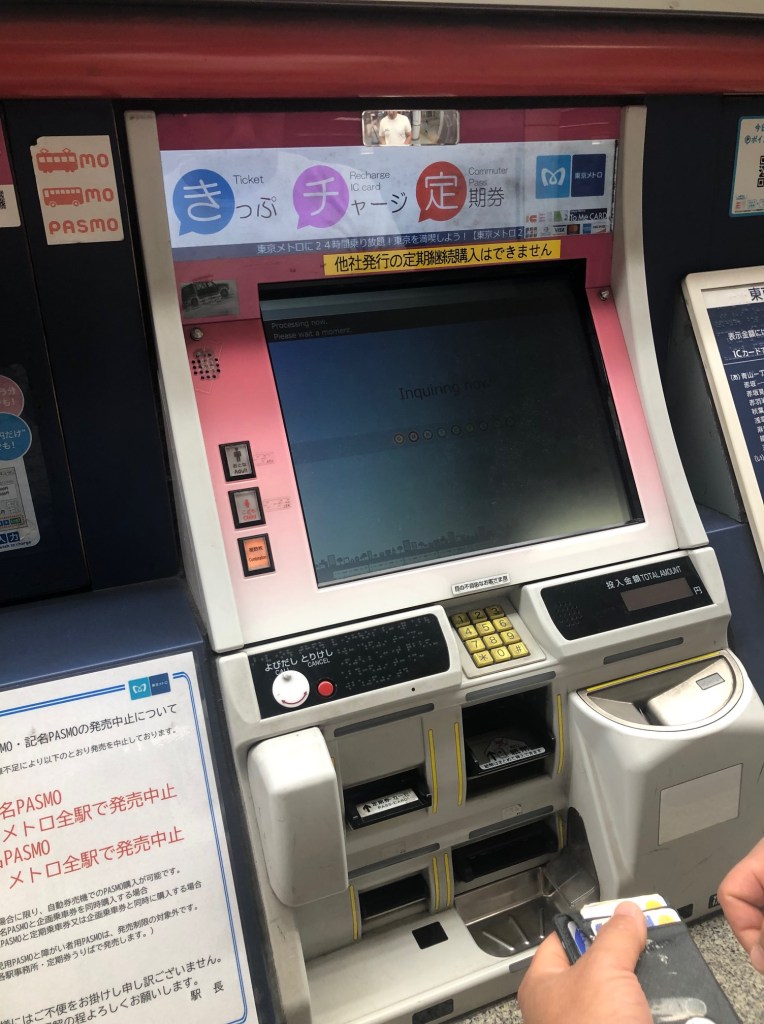

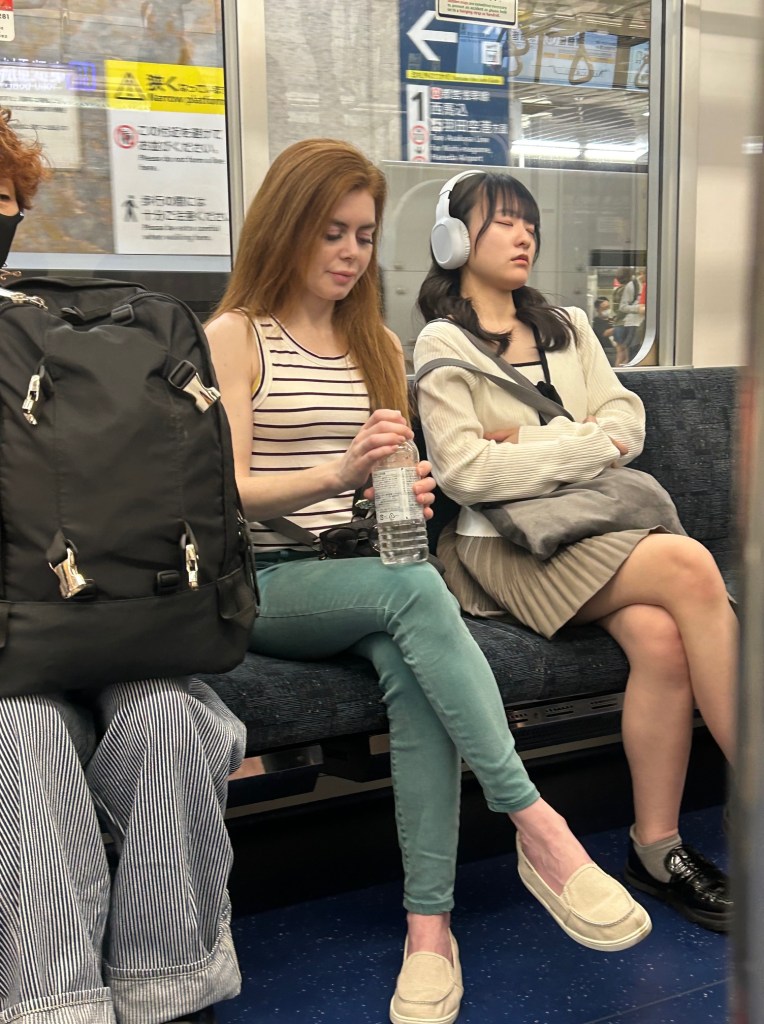
Tokyo is known around the world for its uber-efficient public transportation system, and it did not disappoint. While it is certainly overwhelming to attempt to figure out Tokyo Metro when you first arrive, after a several days of scouring maps and hopping off at the wrong station once or twice, you start to get a sense of where you need to go and how to get there. Google Maps is a godsend, as it provides accurate information on what train or subway you need to take to get to your destination.
Instead of buying a Metro ticket every time you ride, add the Suica Card to your Apple Wallet. All you need to do is tap your phone at the turnstile to board and depart, and it will cover the cost of your ticket. You can reload more yen onto the card at any time. The Suica Card can also be used at convenience stores and other vendors.
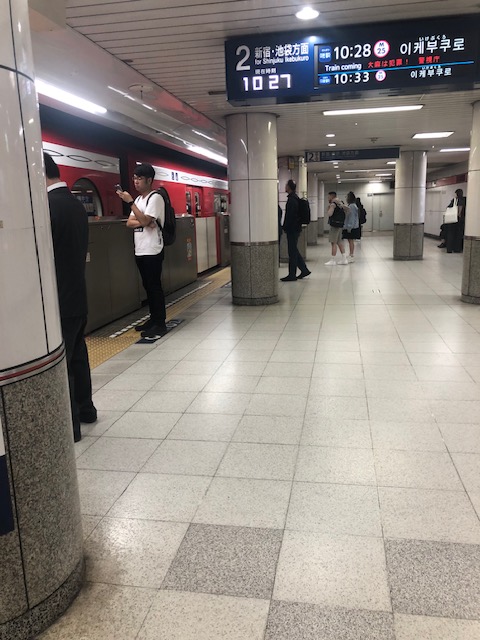
Unless you are traveling to other Japanese cities on your trip, you do not need to buy a Japan Rail pass. JR dramatically increased the price of these passes last October, which are only offered to travelers outside of Japan. You may use Japan Rail lines while in Tokyo, but you can pay for the ticket with your Suica card.
If you are traveling to other cities and have purchased a JR pass, that pass will only work for JR lines, not Metro lines. Anything that starts with a “J” is considered to be a JR line. I went back and forth between using my JR pass and my Suica card for the trains and subways.
Where to Stay in Tokyo

Tokyo is vast, and comprised of dozens of smaller cities, wards and villages, all with distinct characteristics and vibes. To make the most of limited time, first timers will want to stay in one of a handful of centralized neighborhoods, with easy access to major points of interest. These include the bustling wards of Shinjuku and Shibuya. Both offer tons of restaurants, shopping and attractions, although Shibuya is known for its nightlife–something to consider as a non-drinker. Other areas ideal for first timers are Ginza (similar to Polanco in Mexico City or Beverly Hills in LA), Akihabara (best for fans of anime and manga), and Roppongi (home to art and cultural museums). By booking your Airbnb or hotel in one of these locations, you will have a much easier time reaching the various wards and neighborhoods within Tokyo via public transportation and will also be able to access cities and towns outside of Tokyo if you choose to do a day trip.
I nearly always use Booking.com nowadays when securing accommodations. They have the best rates and selection of any travel booking site out there, and if you are like me and travel often, you will quickly reach “Genius” status, giving you access to 10-15% discounts on stays, attractions, airport taxis and car rentals, which I have taken full advantage of. Over the course of our Japan trip, we saved more than $600 on hotels as a result of Booking.com’s Genius discounts.
Daiwa Roynet is a stylish hotel chain with several locations in Tokyo. We stayed at the one in Shinjuku, in a quiet area but steps away from a Metro station, and a 10-minute walk to the action in Shinjuku. There is also a leafy park a block away, which many locals use for jogging and exercising. It was relatively inexpensive to stay for three nights, and the breakfast buffet was delicious. The Japanese love their breakfast buffets, which was good for us because then we didn’t waste precious time each morning figuring out where to eat.
On our last night in Japan, we booked Hotel Metropolitan Tokyo Marunouchi. It was literally on top of Tokyo Station, and nearly all of the rooms have spectacular views of the city. The location is walking distance to the shopping district in Ginza, as well as the Imperial Palace. We chose it due to its proximity to Tokyo Station, so we could easily hop on the Narita Express to the airport the following day.
One word of advice regarding hotels and rentals: when booking in Tokyo (or anywhere in Japan), make sure to note the square footage of your accommodation. The city is known for capsule hotels, after all. A standard room will barely fit a bed, let alone multiple humans and their suitcases. We paid extra to make sure we were comfortable, although even our “double” suites in both hotels were a bit cramped.
Where to Eat in Tokyo


Japanese love their food more than anything. With 160,000 restaurants across the metropolitan region (compared to 25,000 in NYC and 13,000 in Paris), from fine dining establishments to subway station kiosks, you will never go hungry. Here are just a few of the places we enjoyed in Tokyo:
- Memory Lane-Tucked away on a side street in Shinjuku, Omoide Yokocho or “Memory Lane” is a narrow alleyway of restaurants and food stalls, serving up simple but delicious Japanese mainstays like yakitori. We plopped down in two of the 10 seats at a ramen spot, ordering our dinner from a machine. Maybe it was the jetlag, but we slurped down every last morsel.
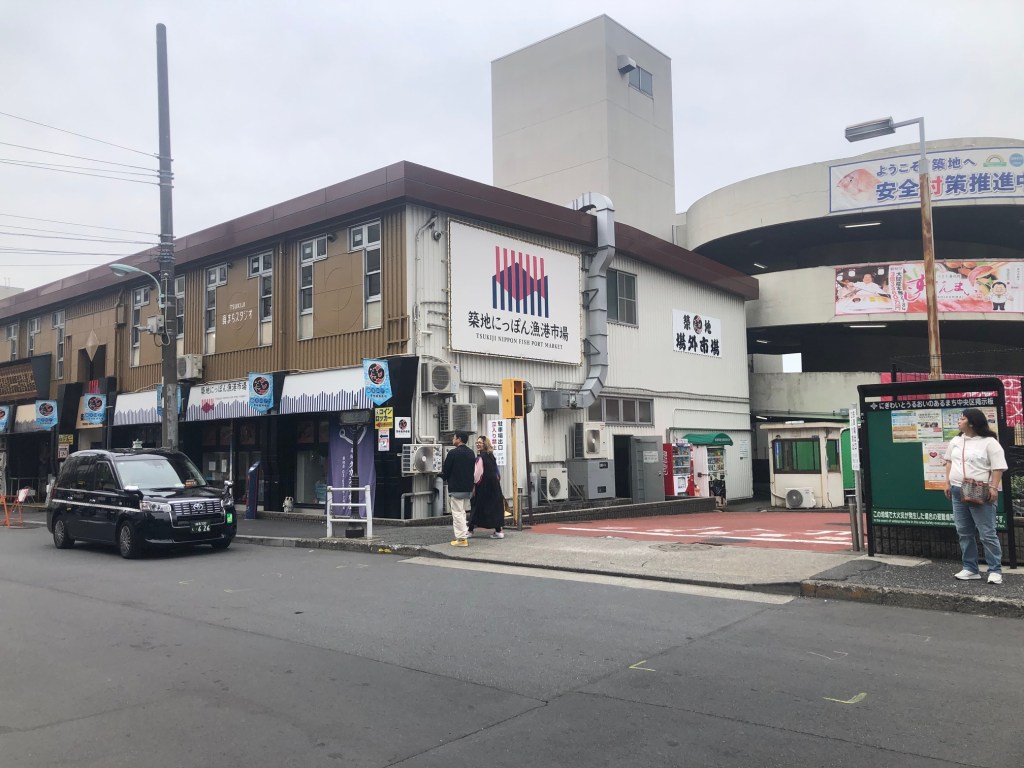
- Tsujiki Fish Market-The Tsujiki Fish Market sells more than just fish. Customers can discover an assortment of vendors offering meats, sushi, bowls, fruits, finger-foods and desserts. It’s a morning market, so get there early.
- Tokyo Station-No, really, you should eat the subway station food. In fact, the eponymous Michelin-starred restaurant in the 2011 documentary Jiro Dreams of Sushi was originally located in a Tokyo Metro hub. There are literally hundreds of restaurants scattered among the stations, from sit-down dining rooms to fast-casual fare. You can even get ramen and katsu from vending machines. At the end of our Japan trip, after a week and a half of strictly Japanese food, we were jonesing for a pizza. We visited Eataly in Tokyo Station and had delicious appetizers and personal pies.

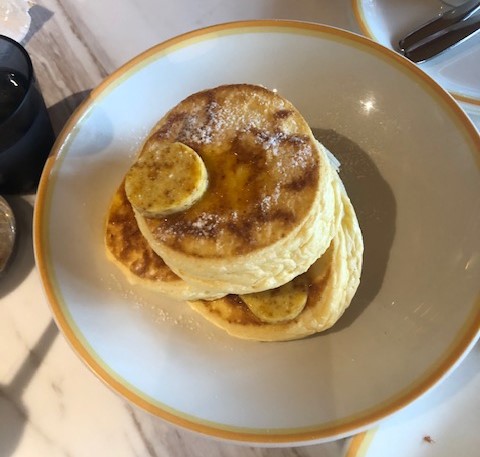
- Bill’s Ginza– A popular brunch spot located in an office building in the Ginza district. It often has a wait, but it is definitely worth it. We ordered the corn fritters and the ricotta pancakes, both of which were excellent. The pancakes were simultaneously light and fluffy but also rich–quite possibly the best pancakes I’ve ever eaten.
Fun Sober Things to Do in Tokyo
Explore Tokyo’s Unique Neighborhoods
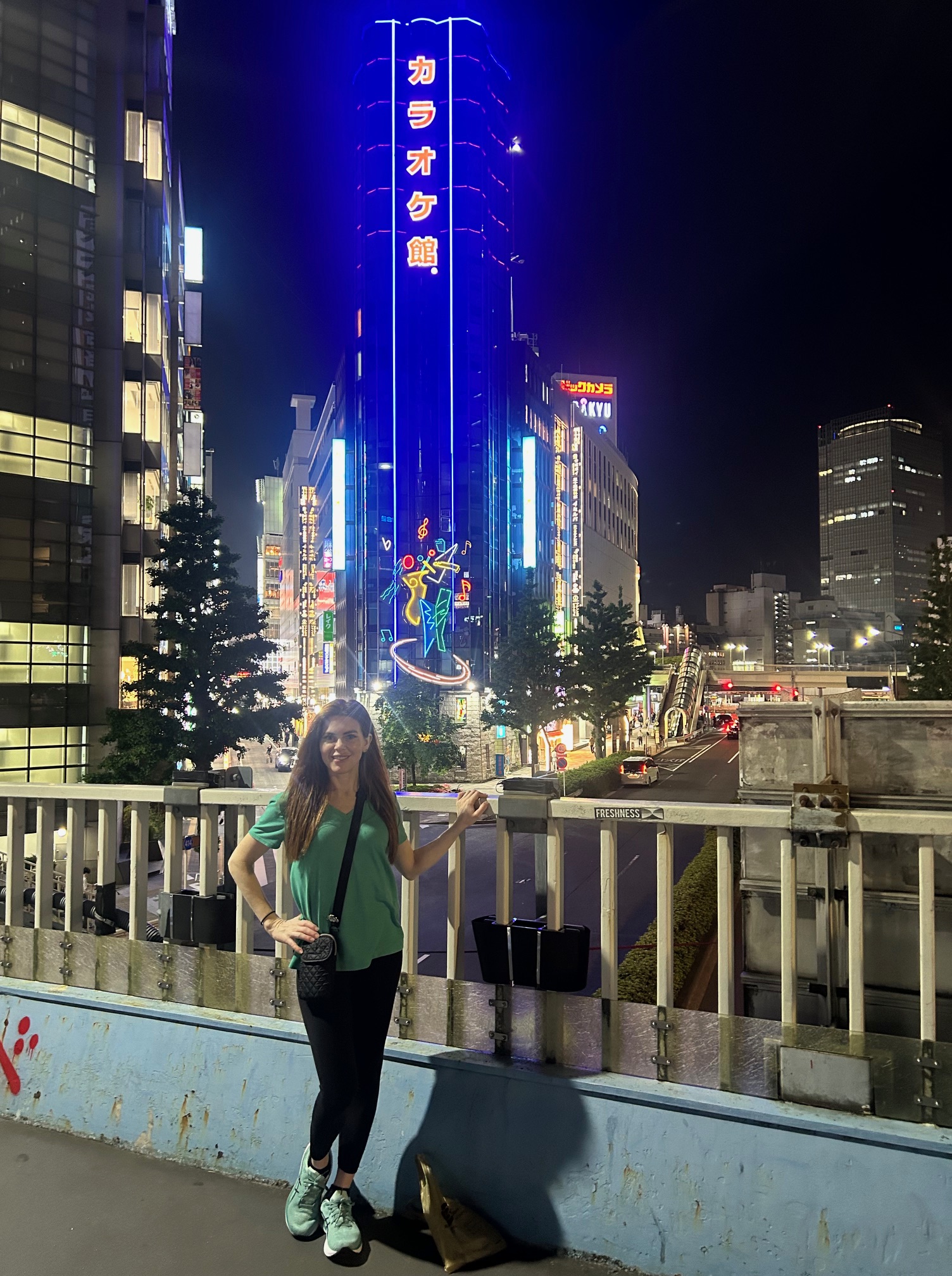
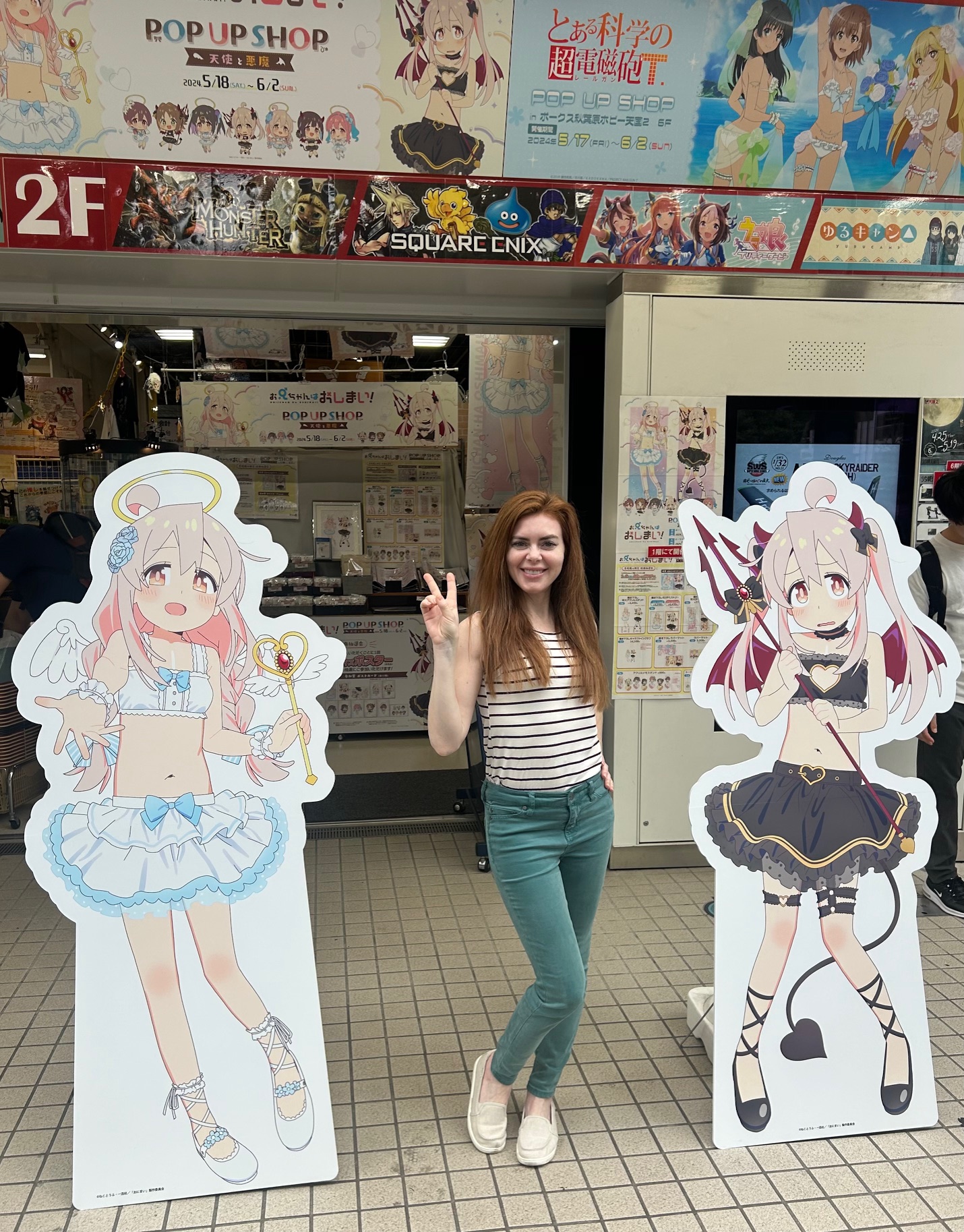

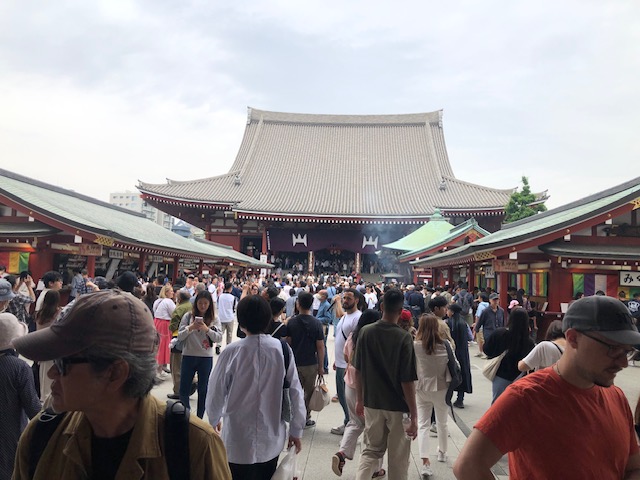


Tokyo is a lot, and you’ll never get to everything in one trip. To cut down on time spent trying to decode Google maps and blaming each other for getting lost, we booked a private day tour through Viator. The tour enabled us to hit all of the must-see attractions in one fell swoop and pick the brain of our tour guide on what other things we should do, and places we should go. In six hours, we hit the fish market in Chuo, Tokyo Tower in Minato, shops in Akihabara, and Senso-Ji Temple in Asakusa, and received some great recommendations like Turret Coffee Tsukiji and Shinjuku Gyoen Garden. By following around our tour guide on the first day in Tokyo, we also got a tutorial on how to ride the Metro.

Check Out Tokyo’s History and Culture

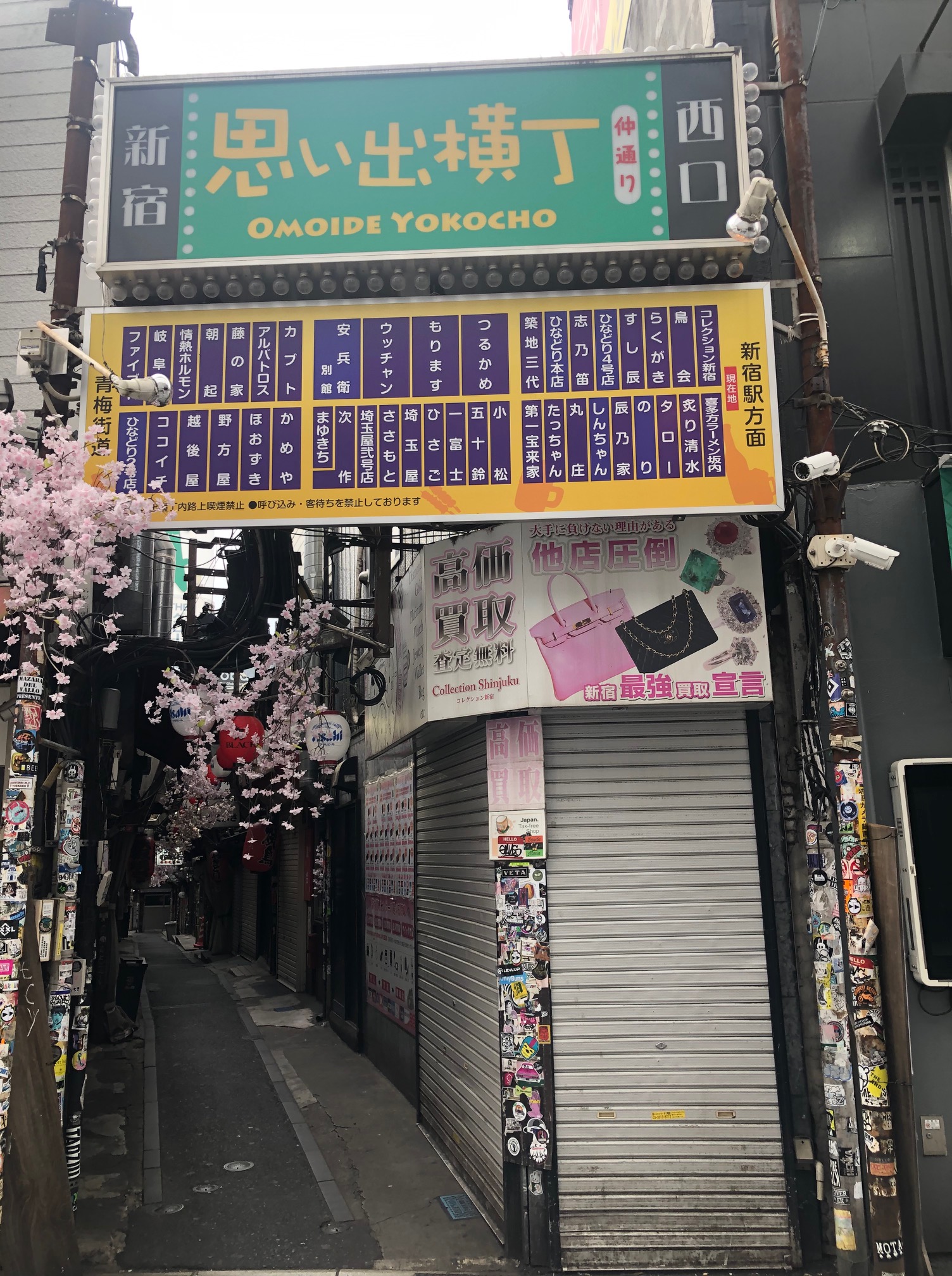
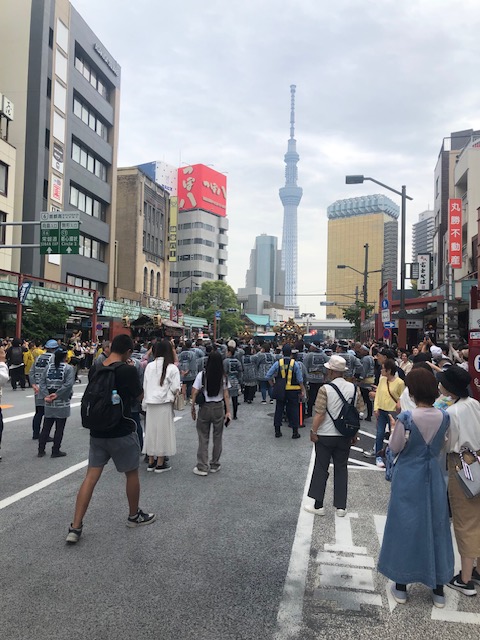
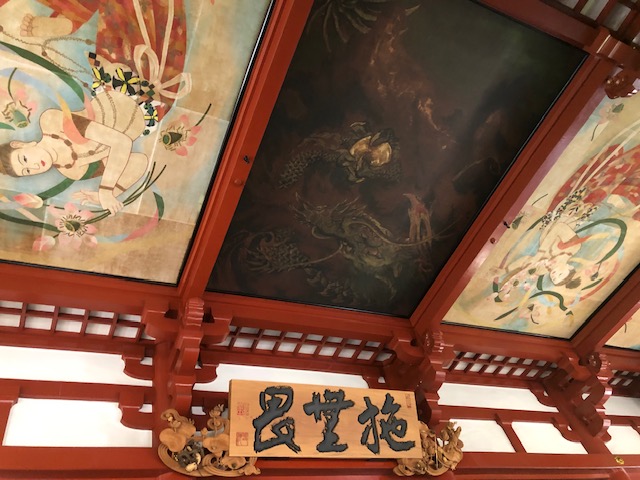
Memory Lane-To be honest, the aforementioned Omoide Yokocho is not a landmark that will blow you away. It takes about 60 seconds to walk from one end of the alley to the other, if you don’t pause to duck into a restaurant. However, it’s worth visiting for the food, as well as its bustling atmosphere of post-war Tokyo.
Museums-There is a plethora of art and history museums across the city, so it can be tough to narrow them down. It really depends on your interests and how much time you have. One rainy morning, we checked out the National Art Center in Roppongi. To see all of what the museum has to offer, you’ll have to buy a full pass, as a basic pass only allows you access to a few exhibits. The building itself, a soaring glass and concrete structure, is actually the most impressive aspect of the National Art Center. The Mori Art Museum is nearby if you want to combine the two in one trip.
If you are looking for a quirky ode to Japanese animation, visit the popular Ghibli Museum. You have to book early, though. Tickets go on sale for visitors outside of Japan on the first of the month for the following three months and get snapped up quickly.
Zoo-Somehow we always end up at zoos when we travel to different countries, and this trip was no exception. We hit up the Ueno Zoological Gardens, which first opened in 1882, making it Japan’s oldest zoo. It’s a very family-friendly activity, but we enjoyed the animals as much as any of the other visitors. The Zoological Gardens feature most of the essentials: tigers, lions, elephants, and pandas. I recommend going early, before noon, to avoid major crowds.
Temples and Shrines
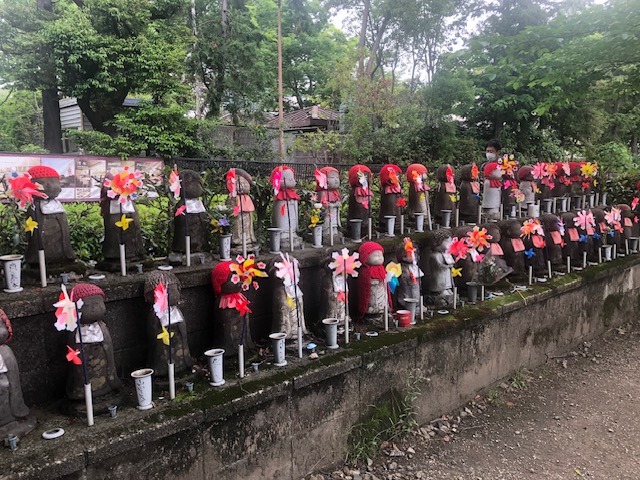
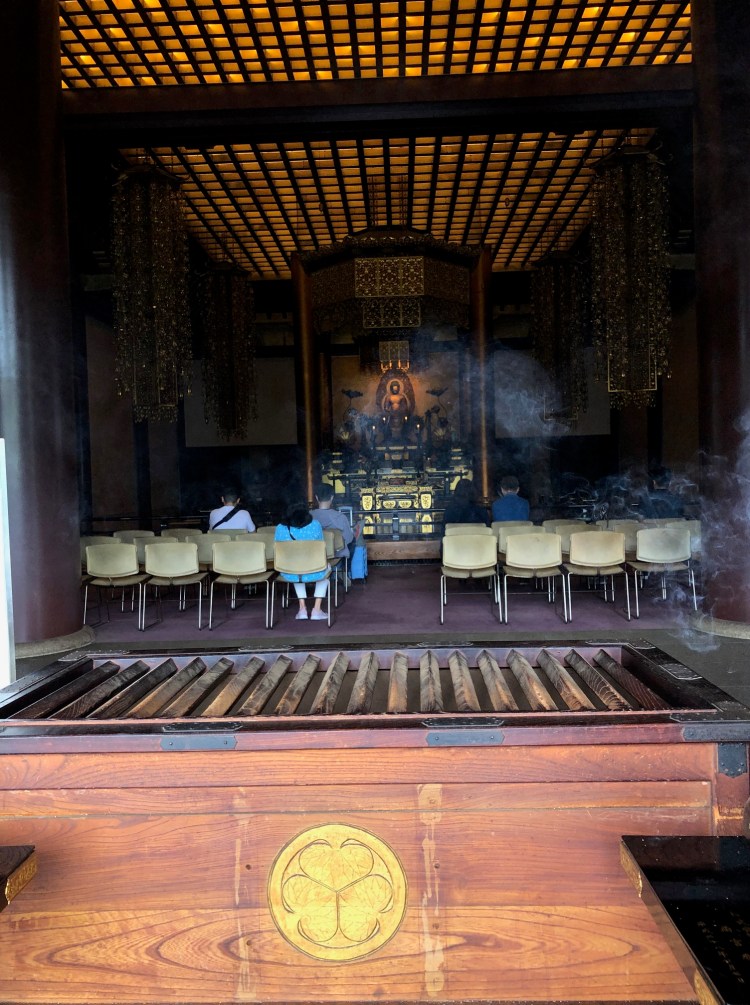
As far as temples and shrines go, Tokyo doesn’t hold a candle to Kyoto. However, there are a few that are worth checking out. It’s fascinating to gaze at traditional, historic Shinto shrines and Buddhist temples next to the ultramodern skyscrapers, towers and signs that define Tokyo today. The two that we visited were Zojoji Temple in the Minato District, where you can see the Eiffel-esque Tokyo Tower in the background, and Senso-Ji Temple, which was a large compound that featured multiple buildings and gardens. Like most attractions, you probably want to head there early, as it is very popular with tourists.
Sumo Wrestling Tournament

Sumo Grand Tournaments occur three times per year in Tokyo. If you are lucky enough to be in town, make it a priority to attend this uniquely Japanese event. Tickets sell out quicker than a Taylor Swift concert on Ticketmaster, so you’ll have better chances of snagging a seat if you go with a tour group. We watched more than a dozen wrestlers in traditional garb fight in 15 to 30-second bouts, competing for top prizes of several million yen.
Day Trip to Odawara
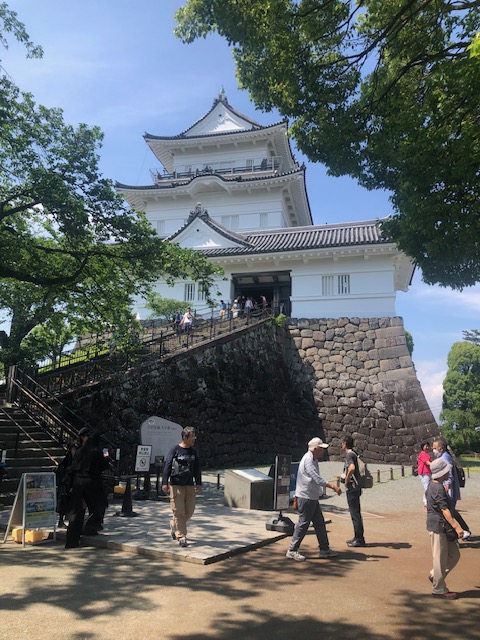
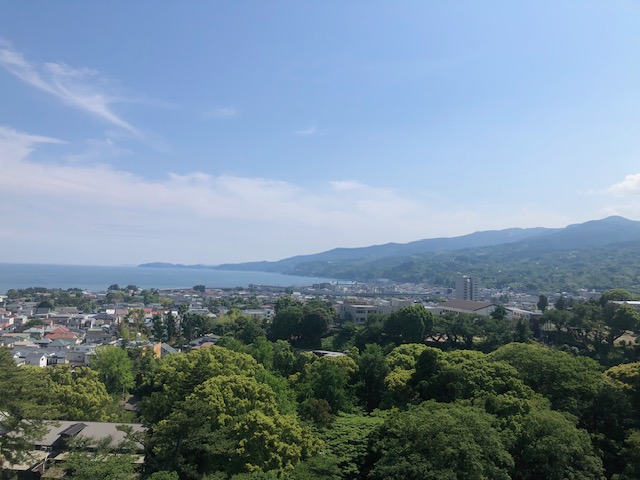
If you want to escape the hectic urban environment of Tokyo, there are day trips you can take, such as to the city of Odawara. Japan Rail’s Shinkansen bullet train has a direct route to this city, as Odawara Station is a large hub for other lines. We took a pit stop here on our way from Tokyo to Hakone.
The city’s highlight is a well-preserved, centuries-old samurai castle perched atop a hill overlooking Sagami Bay. It’s a short 15-minute walk from the train station and only a few hundred yen to enter. You’ll learn about samurai history in Japan and take in spectacular views at the summit.
Running in Tokyo
While I did see plenty of joggers during our trip to Tokyo, there aren’t really any dedicated walking, running and biking trails in the city. Most of the parks, like the one close to Daiwa Roynet, are not large enough to be conducive to a run. However, every driver obeys traffic rules and there isn’t much traffic to begin with, so you can jog pretty far in most districts without interruption or taking your life in your hands. Go out early so that you can avoid “rush hour”–meaning hoards of people in suits heading to work and clogging up the sidewalks.
If you’ve done a search of parks and thought, “What about Shibuya Gyoen? Can I run there?”…well, sort of. The gardens, ponds, paths and bridges make for beautiful scenery, but it’s meant more for tourists than exercisers. The park doesn’t open until 9am and costs a fee to enter, which further deters anyone looking to fit in a run.
You should not worry about getting your steps in while in Tokyo, however. You will walk more than you ever have in your life, between exploring various neighborhoods and navigating blocks-long subway stations. We averaged more than 30,000 steps a day, according to the pedometer on our phones.
Recovery Meetings in Tokyo
There is a robust English-speaking fellowship in the city, with 35 meetings a week in Tokyo proper. The members are warm and welcoming, and often dine out together after the evening meetings. Most of them are ex-pats or travelers, although there are a few members who are native Japanese and speak fluent English.
Japan does not have much of a behavioral health system, other than psychiatric hospitals that they stick people into when they have a mental breakdown. Our tour guide told us that when her husband reached out to their doctor for help with depression during the pandemic, he got a prescription for meds and not much else. Which is why 12-step programs hold even greater importance in a city as large and, at times, impersonal as Tokyo. It fosters connection and recovery, something that everyone can benefit from.
If you can’t get enough of destinations with interesting culture, like Tokyo, check out additional posts here!
 The Temperate Traveler