

Introduction
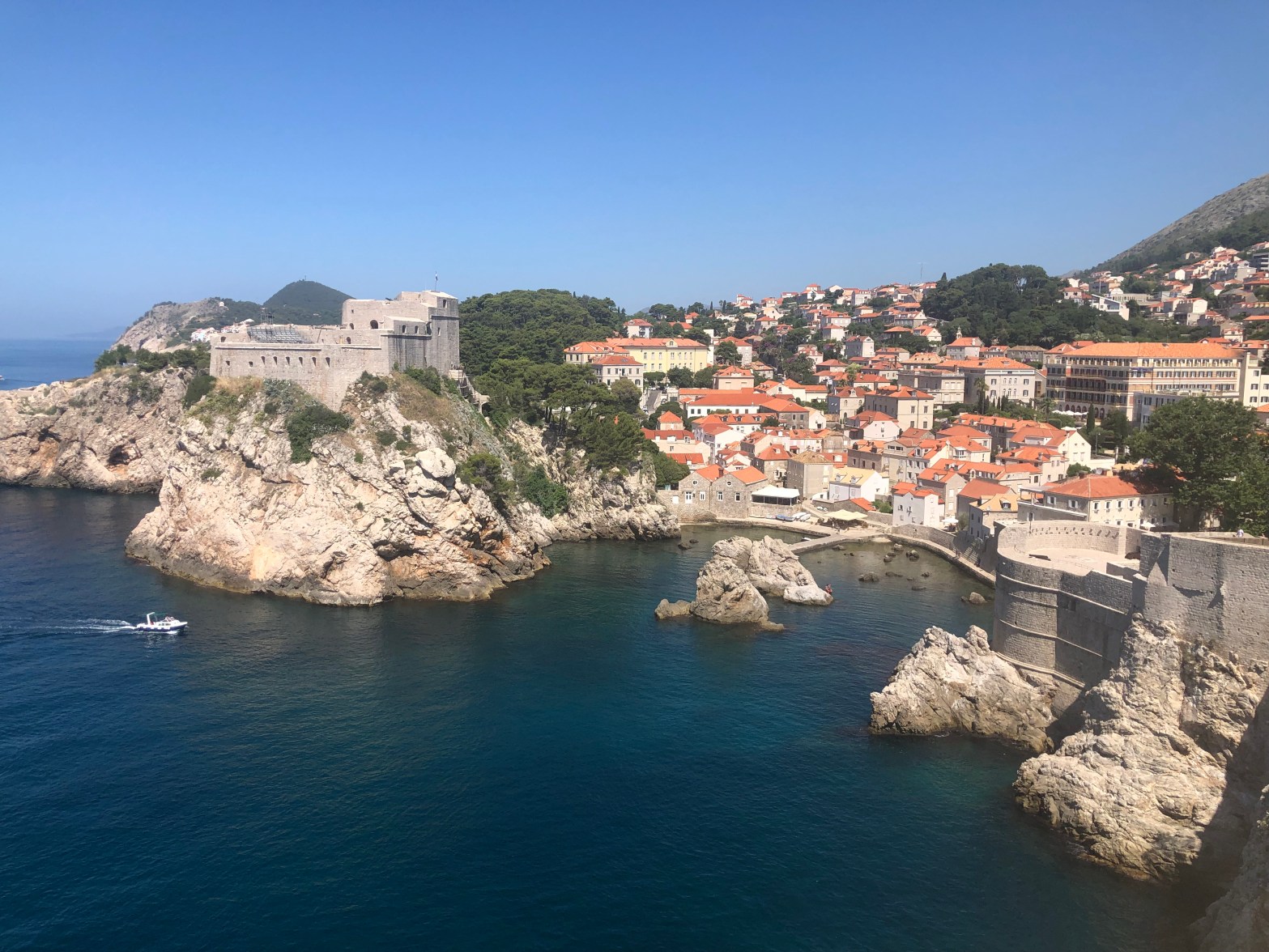
With a population the size of the city of Los Angeles, this small nautical European country delivers a unique and memorable experience regardless of what you are seeking as a traveler. It has a history that dates back to the Roman Empire, a culture and food influenced by its previous Roman, Venetian, Hungarian and Austrian rulers and proximity to countries such as Italy, and activities ranging from island-hopping to cooking classes. It is also one of the most stunningly beautiful places in the world, with well-preserved architecture, cobblestone streets, and monolithic monuments; rugged shorelines plunging down to calm, crystal-clear water; and natural wonders such as the otherworldly aquamarine waterfalls of Plitvice Lakes.


As with most holiday destinations, drinking is part of the equation in Croatia, particularly in party towns like Hvar or at wineries along the Dalmatian Coast. However, it is easy to travel sober as Croatia offers plenty of non-alcohol-centric activities and places to explore. On this trip, my travel companions were my mom and my sister. Both will drink on occasion, but there was rarely an opportunity for them to imbibe, except for the one shot of Croatian honey liquor they were offered during our evening food tour in Split. My mom hated it.
If you are staying in one of Croatia’s coastal towns or cities, bring one or five bathing suits. Everyone swims, all of the time. With so much of life centered around water, with ports and promenades and boats flitting among the thousands of islands in the Adriatic Sea, swimming is part of the daily routine. In Dubrovnik, Lokrum Island, Hvar and Split, there are dozens of random ladders leading down into the ocean, always with a smattering of adults and kids splashing around beneath it. The glittering water is perfectly refreshing; irresistible after wandering the streets under the sweltering sun dodging other tourists. Having grown up with the murky, seaweed-encrusted waves of the Jersey Shore, swimming was never something I particularly enjoyed. But in Croatia, I swam every day.
Getting Around
We took advantage of the new direct flight from Newark to Dubrovnik, which was 10 hours each way. I will always pay extra for direct flights to avoid the headache of layovers, the anxiety of going through customs twice and potentially missing the second leg, and the time wasted that could be spent in my intended destination. My meager allotted annual days of PTO are precious and I prefer not to spend one of them hanging out in Heathrow Airport. While the flight home was easy-peasy, on the way to Dubrovnik our plane was stuck on the tarmac for 4 hours. Some passengers missed their next flight, further confirming my preference for directs.
If you are planning to stay in one city or town for your entire trip, it is advised that you do not rent a car. Streets are crowded and tiny and parking is scarce. Places like Dubrovnik and Split are relatively small and very pedestrian-friendly. Also, Uber is cheap and reliable. We used it to get around Dubrovnik and when we were too lazy to walk up the hill to our Airbnb.
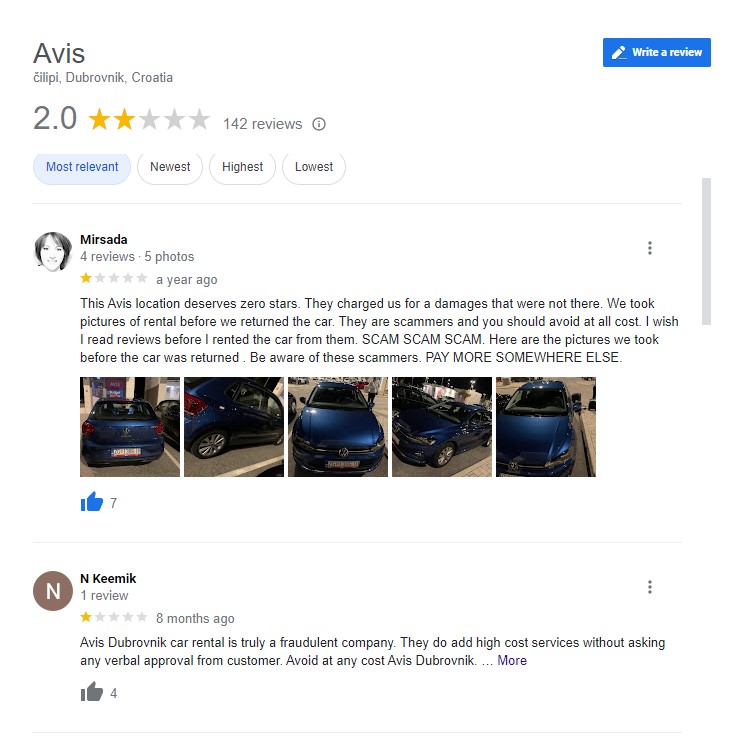
If, like we did, you plan to hit a few cities during your trip, you should rent a car. Just do not rent from Budget Rent a Car/Avis at the Dubrovnik Airport. When I incurred a few scratches after hitting a confoundingly-placed metal pole in Hotel Petka’s 4-foot wide parking lot, Budget charged me $1,100, knowing that our plane was leaving soon and we did not have time to stay there and protest. I had purchased insurance from them, and they told me that insurance did not cover the scratches. So I was basically conned out of $1,250 by the fake car rental company that is Budget/Avis. Unfortunately, I did not do my research before renting from this company:
That being said, there is no convenient and reliable train or bus that can transport you to locations along the Dalmatian Coast, or to the must-see Plitvice Lakes National Park. The road trip is absolutely worth it, as the coastal highways are reminiscent of State Route 1 in California. Having only 8 days to work with, we hit Dubrovnik, Split and Plitvice. Dubrovnik and Split are 3 hours apart (and you drive a hot minute through Montenegro), Plitvice is 3-4 hours from Split and the trip back to Dubrovnik from Plitvice took 5.5 hours. If we had more time we would have liked to have visited Zadar and the Istrian Coast to the North, which has its own distinctive culture and food.
Where to Stay
Dubrovnik


As a well-established tourist hotspot, with millions of visitors a year from around the world, Dubrovnik offers no shortage of lodging options, from luxury hotels like Hilton Imperial Dubrovnik and Hotel Dubrovnik Palace to affordable short-term rentals. You can also check out Booking.com for the best options and prices, and their maps and reviews are helpful!
When we first arrived, we stayed in a 2-bedroom AirBnB with a killer view from a spacious balcony for around $100 per night, up the hill from the Pile Gate in Old Town. We recommend you stay within a half-mile of Old Town since most of the tours, sights, transportation, ferries and water sports are concentrated in that neighborhood. Lapad has a more residential feel, and Gruz Harbor (where the aforementioned Hotel Petka is located) is where all the cruise ships dock. We camped out at Hotel Petka for one night on our way back from Plitvice, since our flight home was the next day. The air conditioner barely worked on a 90-degree day and the sparse decorations were reminiscent of a venue that hosted high school reunions in the 80s. It was $60 a night and we got what we paid for as far as accommodations, although the breakfast spread was surprisingly good. That did not make up for their treacherous parking lot that was as wide as my driveway at home. Learn from us and spend the money for a higher-end hotel or rental!
Looking for upscale accommodations that also offer a distinctive experience? Check out this post to discover the top unique luxury hotels in Dubrovnik!
Split
As with Dubrovnik, it is best to stay close to where the action is. We rented a gorgeous, modern 2-bedroom in a charming old building within a 5-minute stroll from the Riva and Diocletian’s Palace. It was on a quiet street but convenient to restaurants, shops, and tour meeting points. It also included parking. See the photo below if you are interested in renting the same apartment!
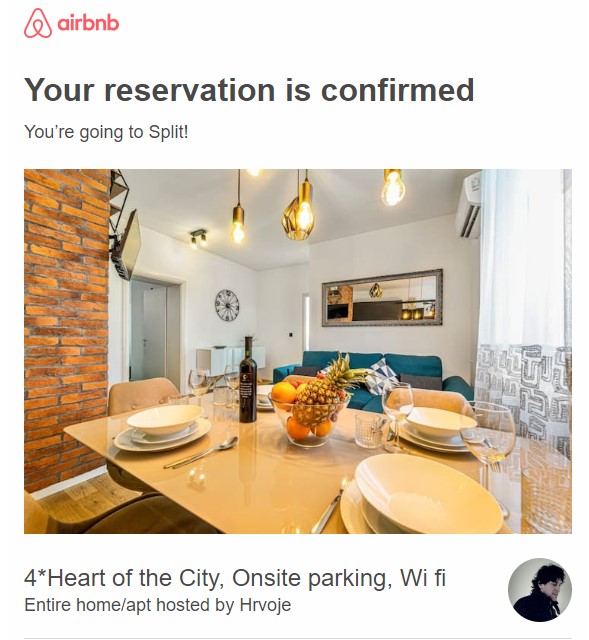
If you are looking for high-end accommodations close to the action, Piazza Heritage Hotel is a great option. Most of the Split hotels that are in a prime location are going to be boutique rather than international brands. It would definitely be a mistake to not stay within a 15-20 minute walk of the Riva and Batvice Beach, since all of the activities you will want to do and sights you want to see are located in that general vicinity.
Plitvice
Further North and inland, Croatia is very rural, with farms and forests and rolling hills as far as the eye can see. There are several hotels within Plitvice Lakes National Park, including Hotel Jezera, for $120-$200/night depending on the season. There are also several, much more affordable options 15-30 minutes from the park. We stayed at Ivan and Iva’s place via AirbNb for $60/night. It was spacious and lovely, with a large balcony from which you could hear mooing cows in the distance.
Fun Activities
Dubrovnik
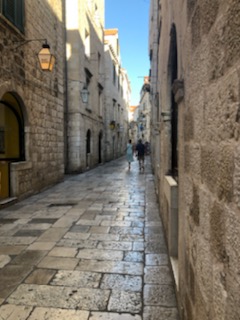
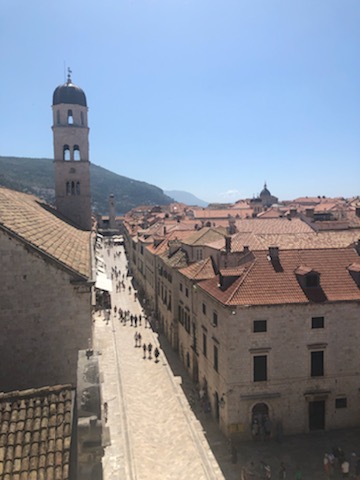
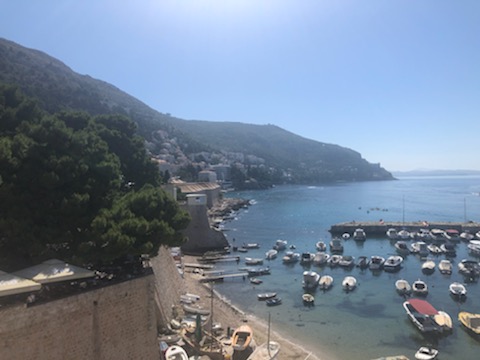
No trip to Dubrovnik is complete without a city wall walking tour. From atop the mile-long historic fortification, we were immersed in the 1,400-year history of the UNESCO world heritage site, and viewed the limestone and terracotta tile-adorned churches, homes and streets from a different vantage point. The tour guide we had was a teenager during the bloody Croatian War of Independence, which destroyed many parts of the city. He gave us a unique perspective on the conflict of 30 short years ago and the impact it still has today on the country.
Especially for a city as steeped in history as Dubrovnik, it’s worth it to book a tour. I typically use Viator, as it is a clearinghouse of all the best tours in a given location. I always learn something or see something that I wouldn’t have if I had just been exploring on my own!
Day trip to Lokrum Island

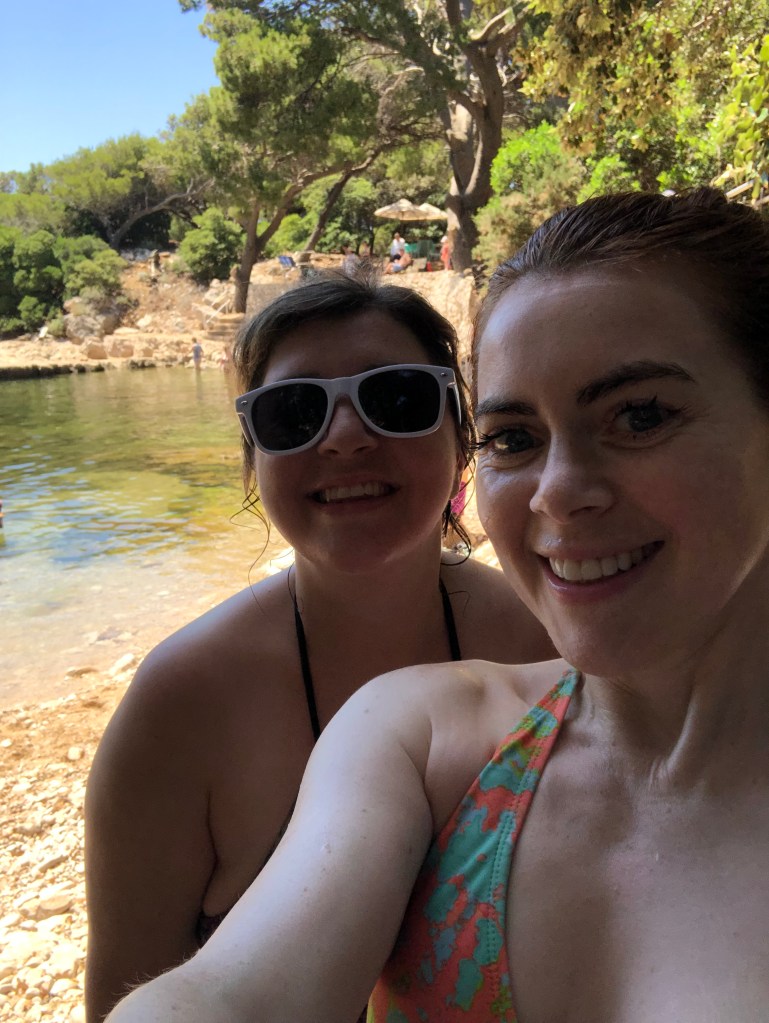
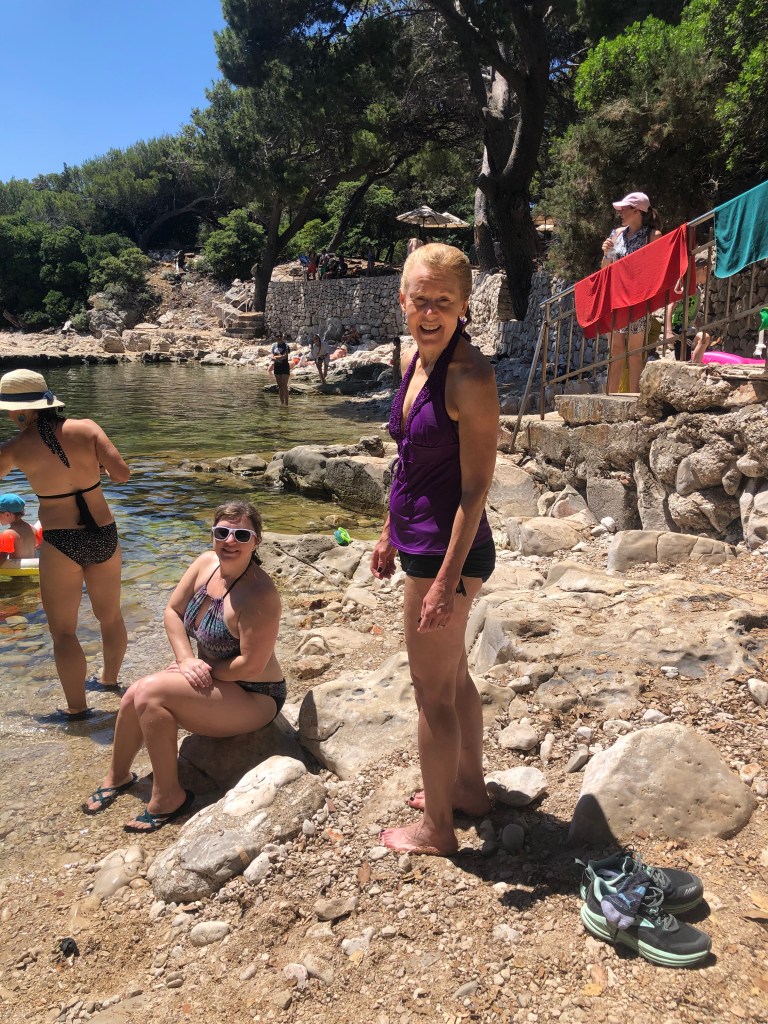
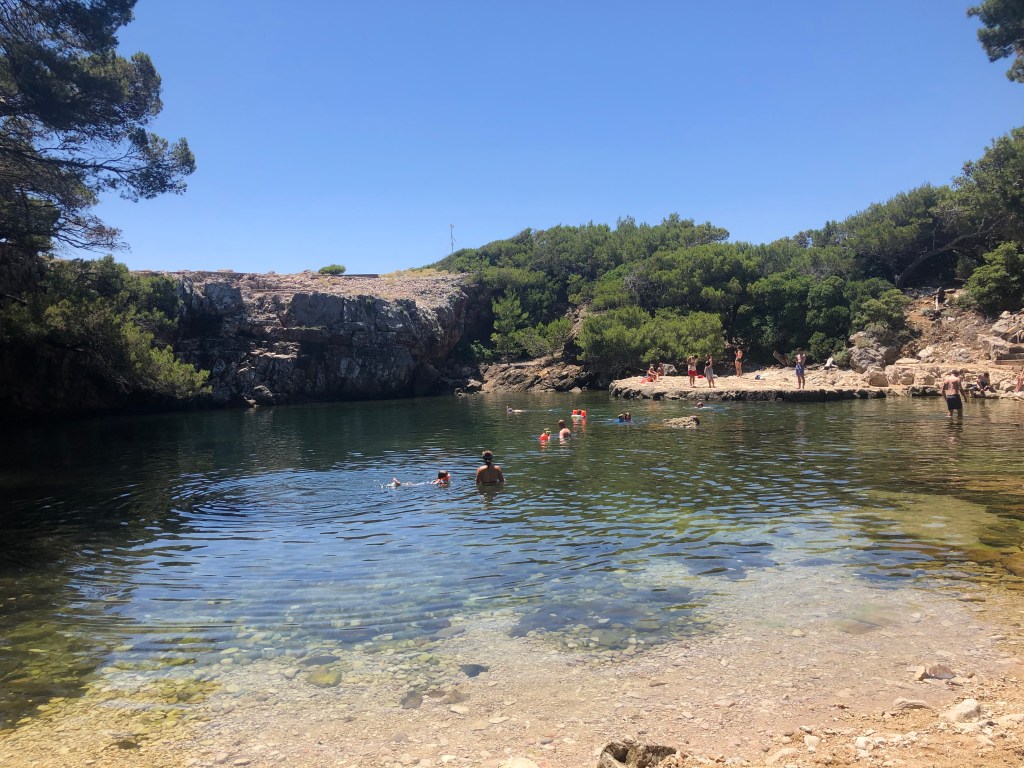

This was the highlight of the Dubrovnik segment of our trip. Just a 15-minute ferry ride from Old Town Pier, Lokrum Island is a quiet respite from the bustle of the city. The island houses several ancient buildings, including a Benedictine monastery from the 11th Century and a summer villa of the Emperor of Mexico, circa 1860. Several miles of trails weave around these sites as well as a botanical garden, olive grove and a popular swimming hole known as the “Dead Sea”. Regular ferries run all day, each day from Old Town and will set you back about $30 for a two-way ticket.
Ride the cable car



Riding the cable car is a very touristy thing to do, but worth it. Taking only a few minutes from sea level to the top of Srd Hill, the panoramic views of Dubrovnik and Lokrum Island on a clear day are impressive. We spent about an hour hanging out and soaking in the different views–although you could spend an afternoon here, as there is a restaurant and hiking trail on the premises.
Split
Take a boat tour
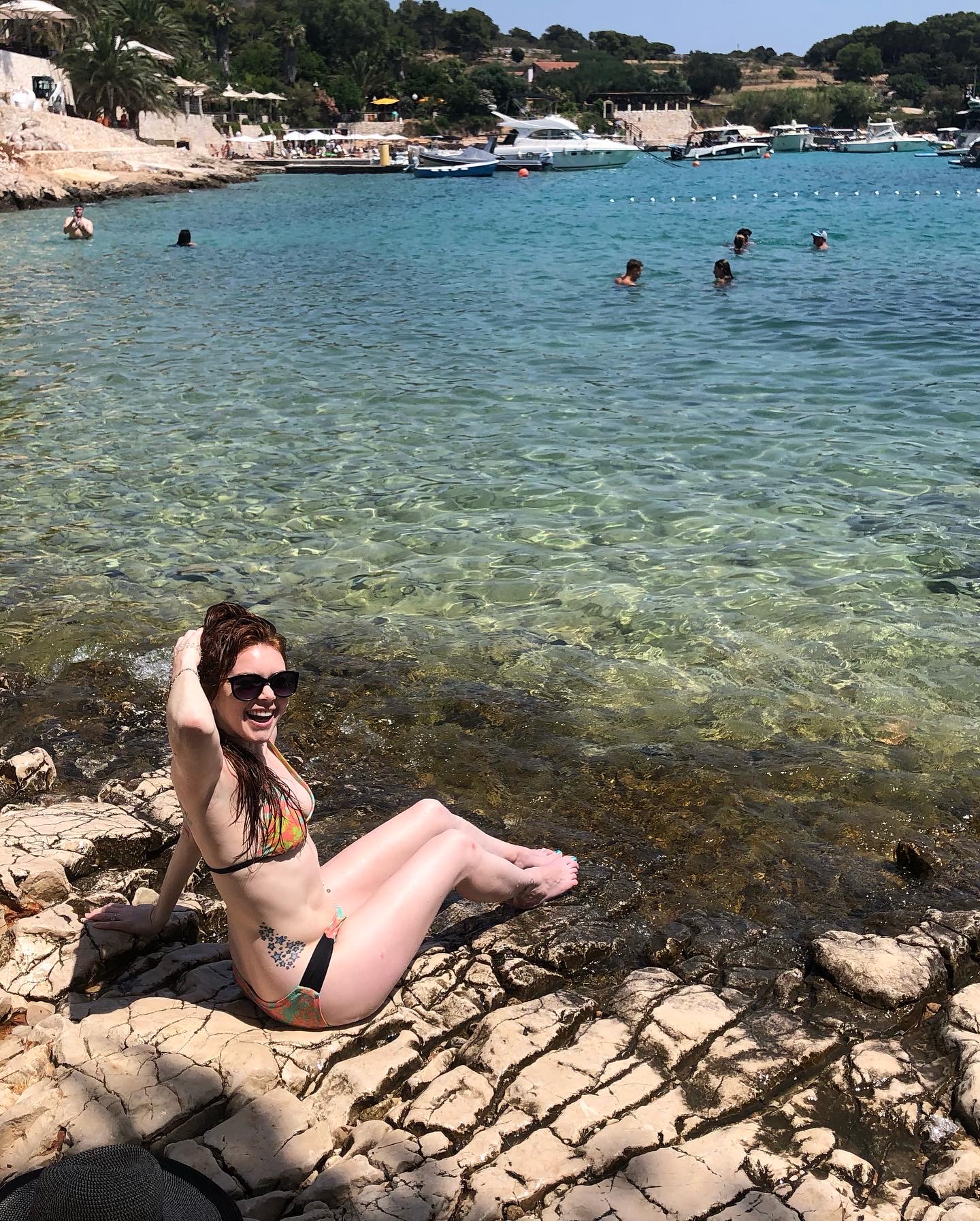
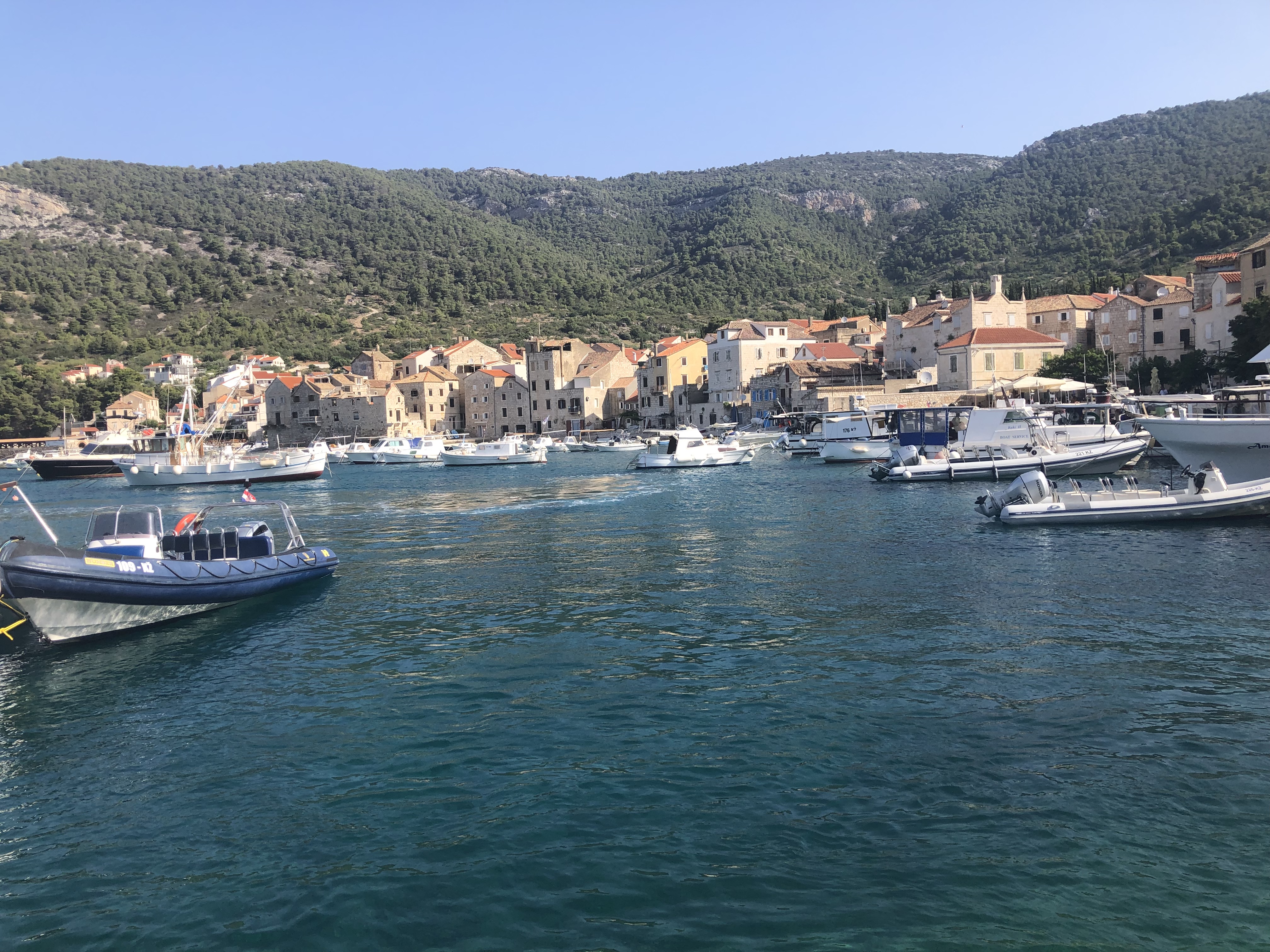
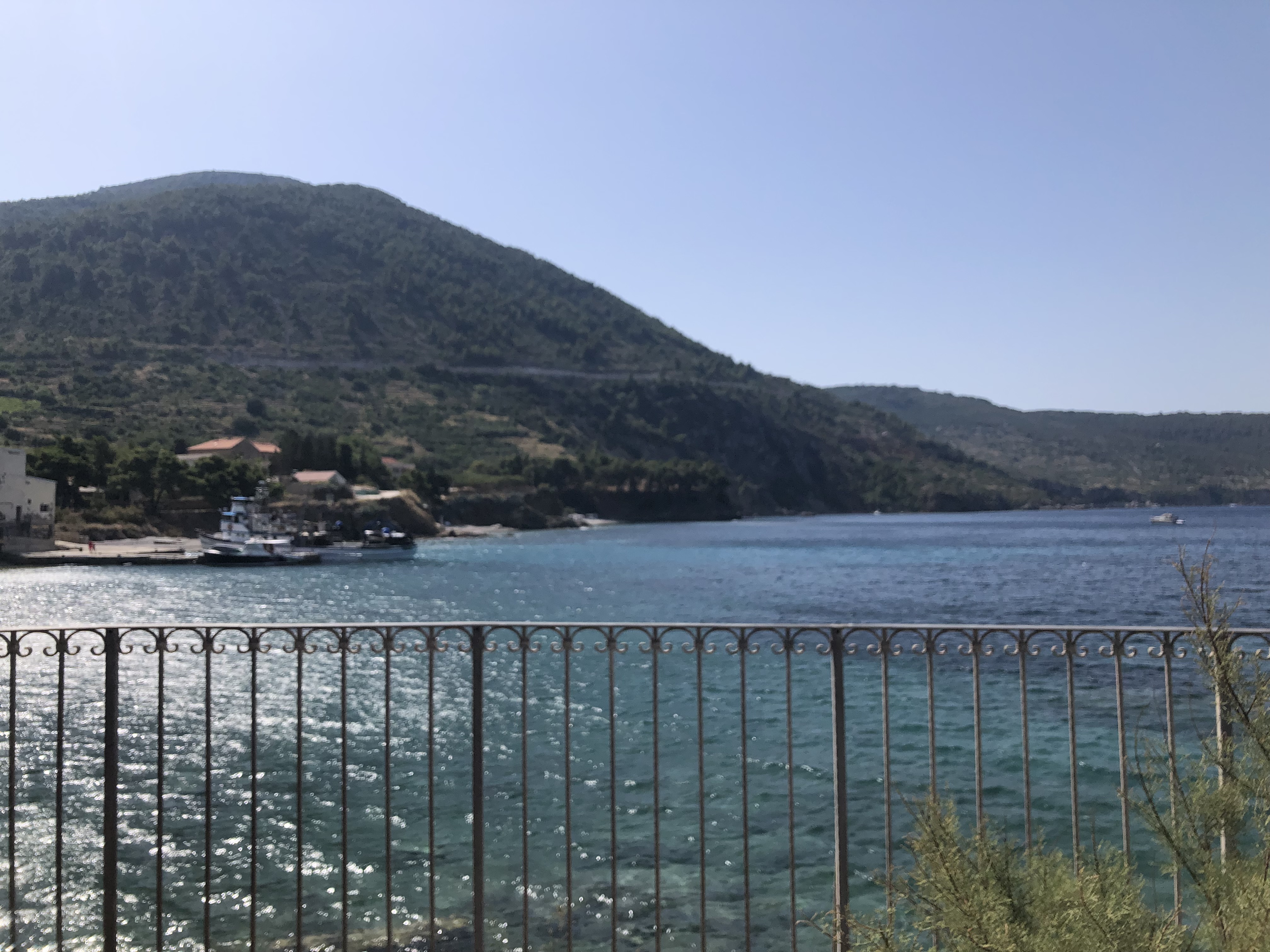


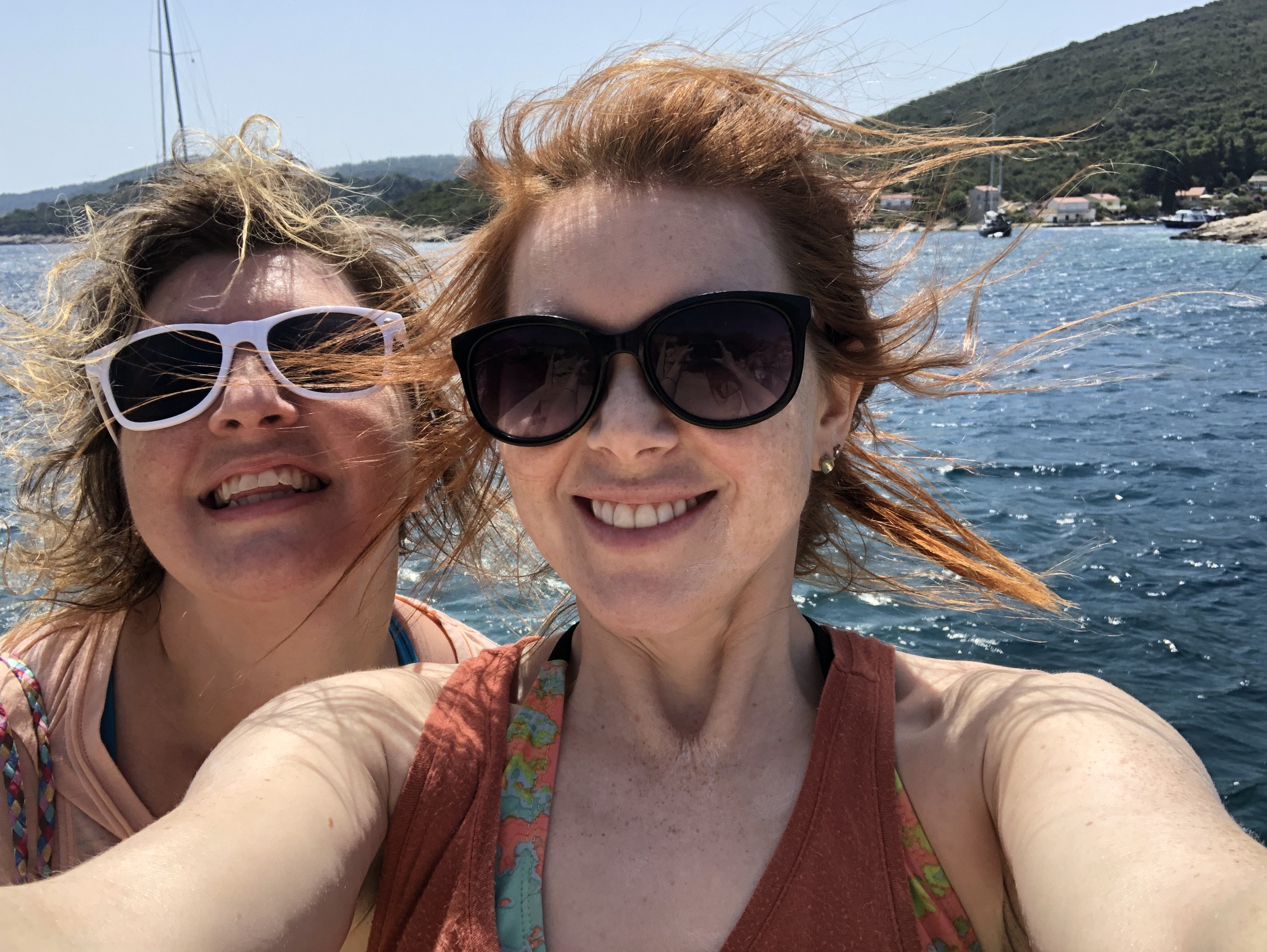
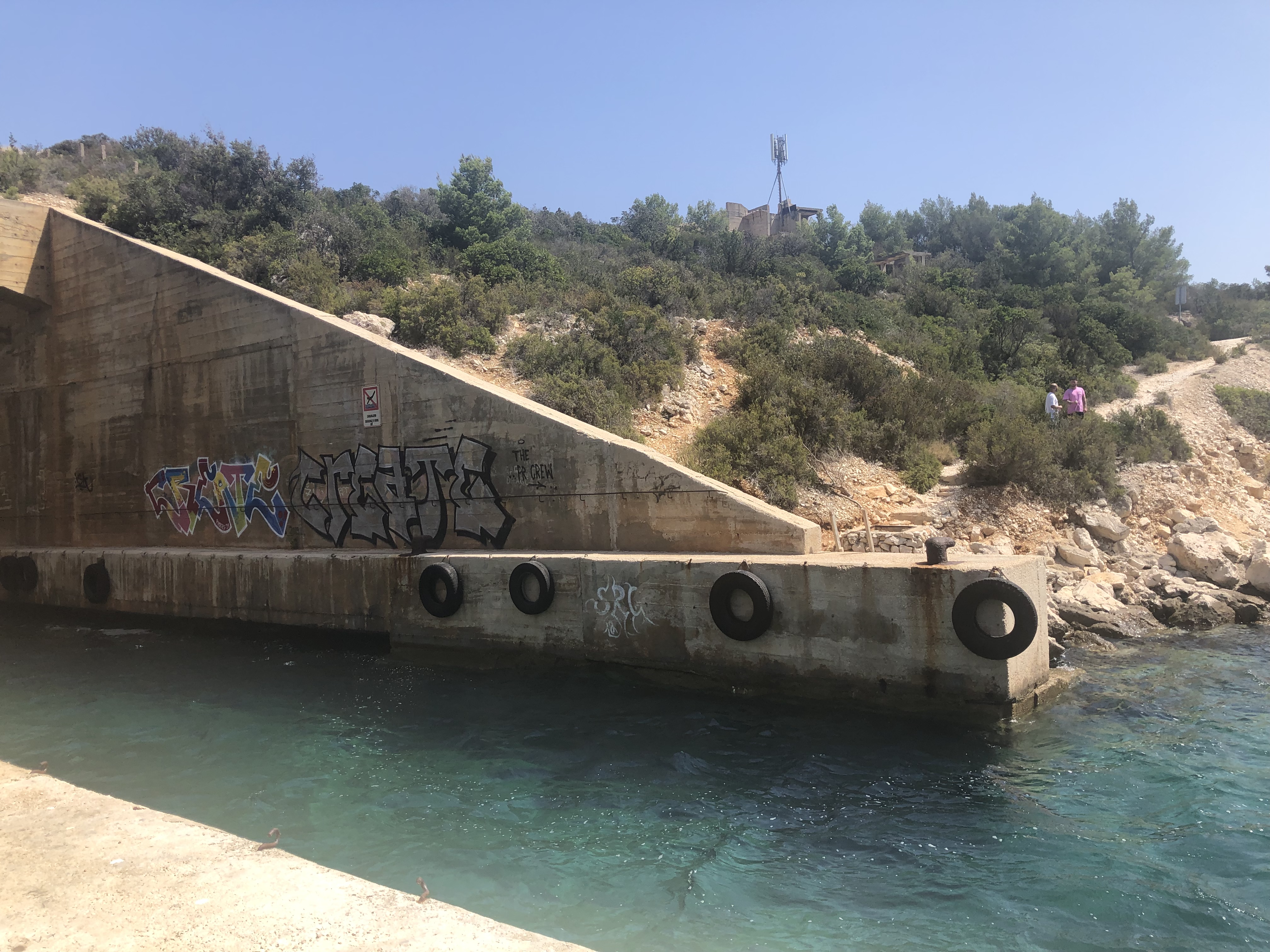
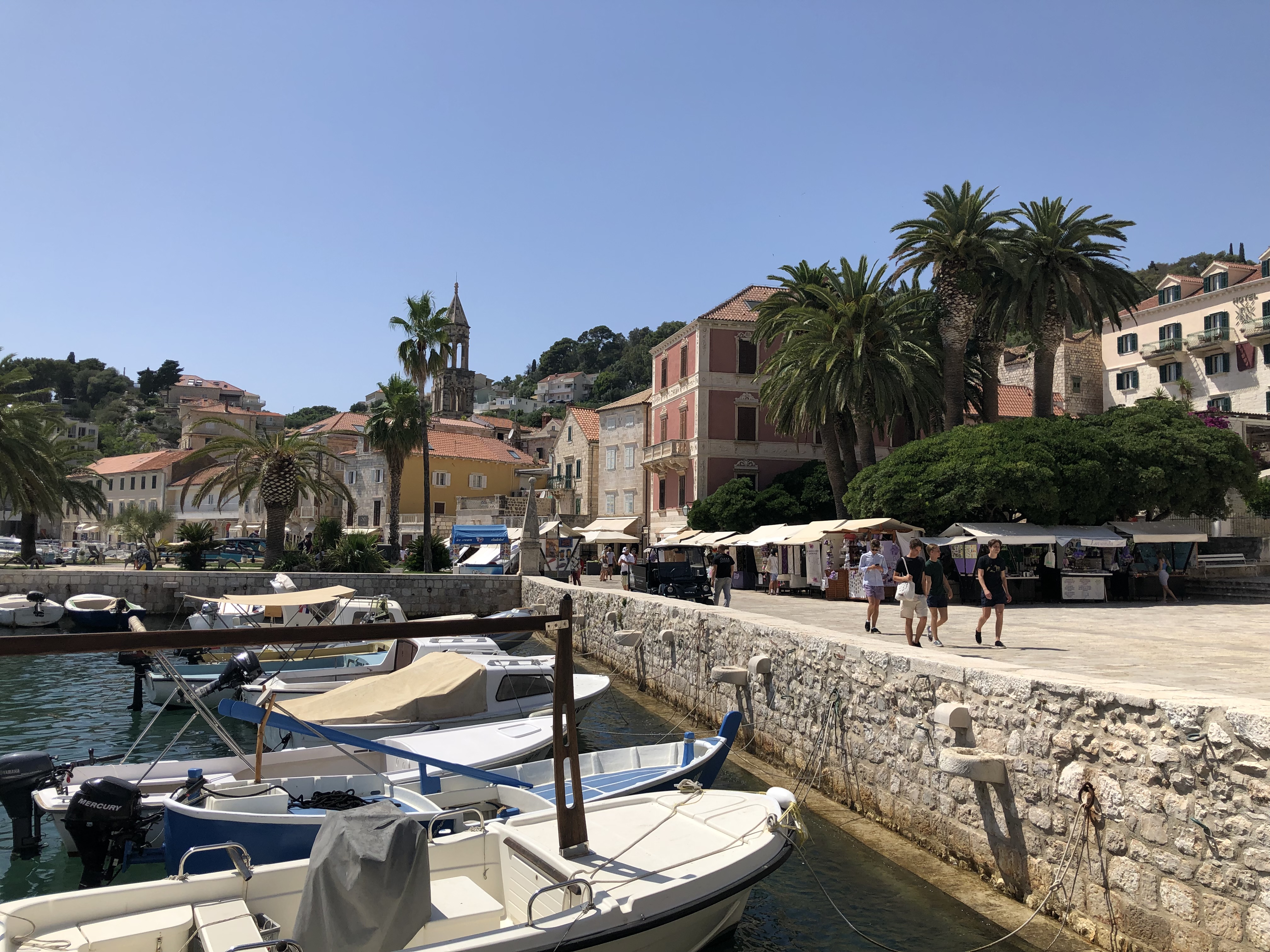
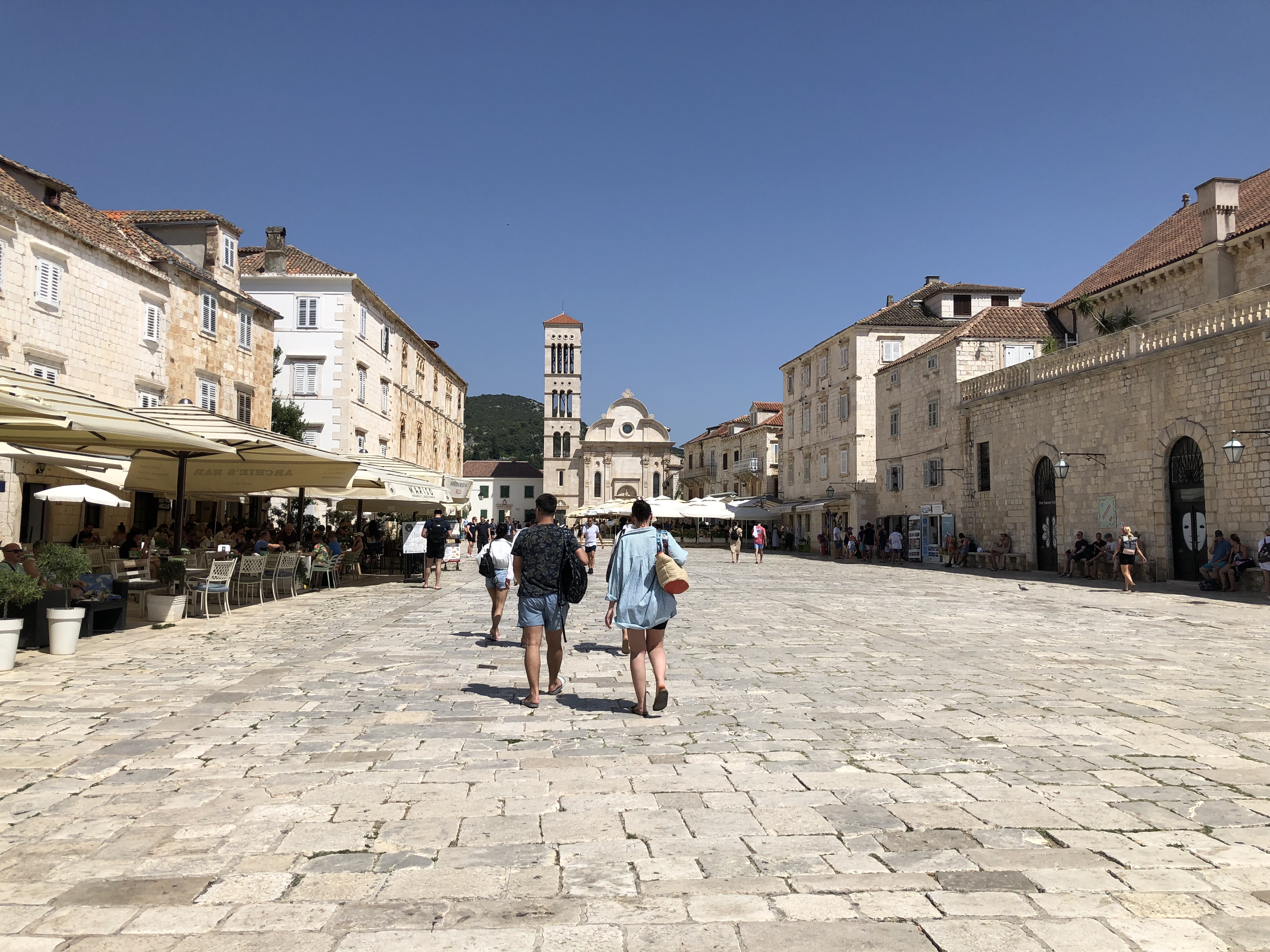
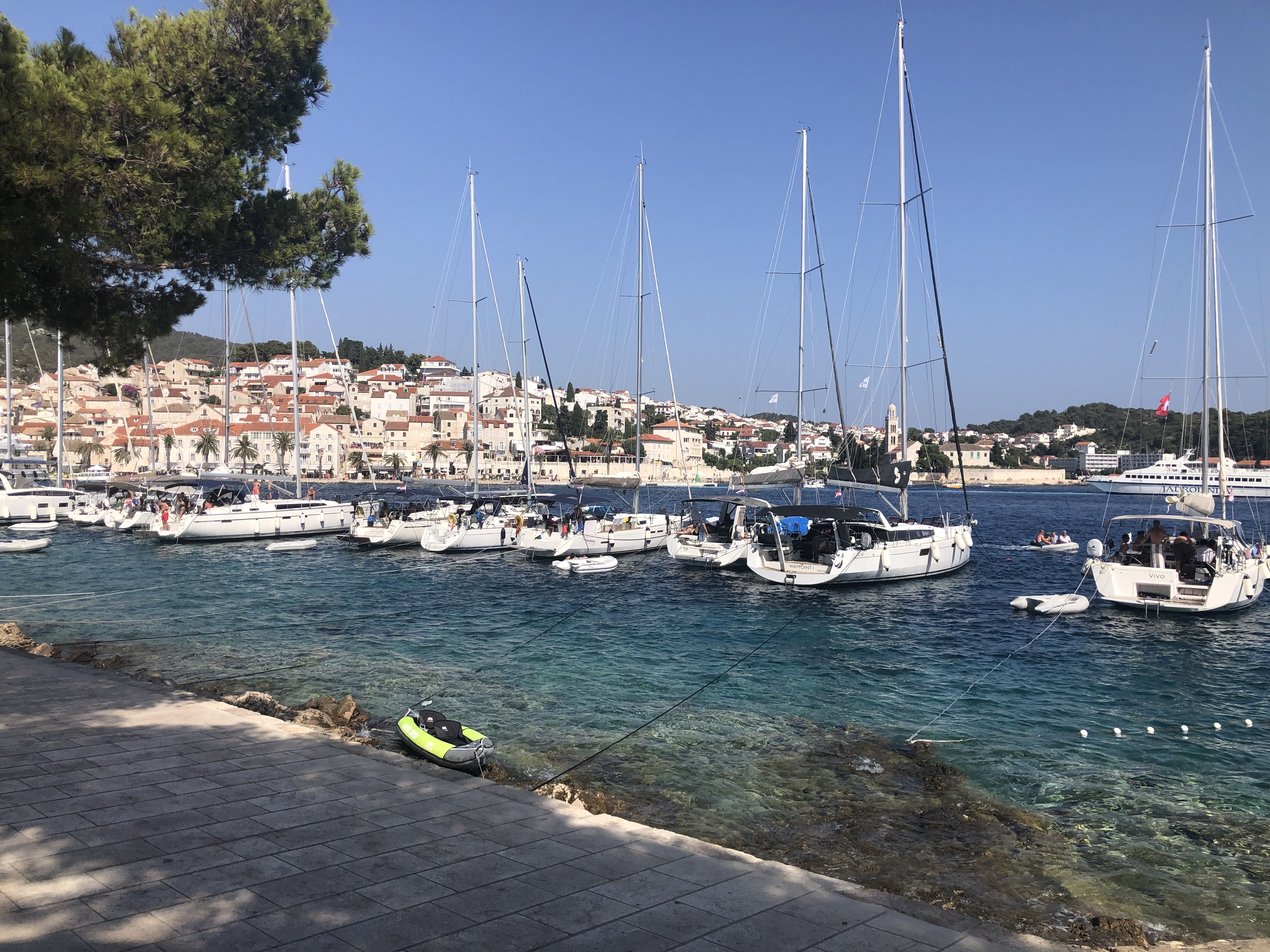
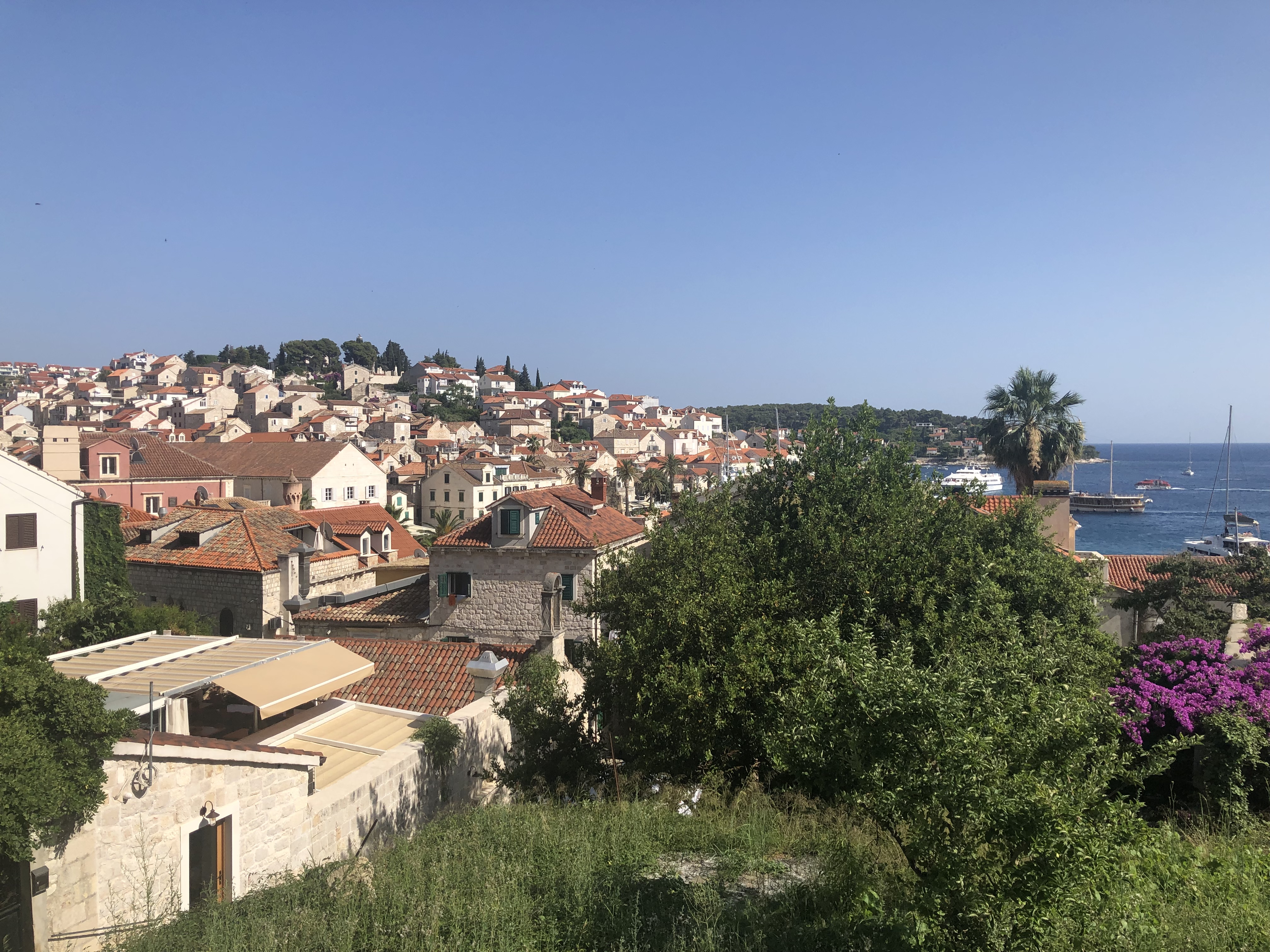
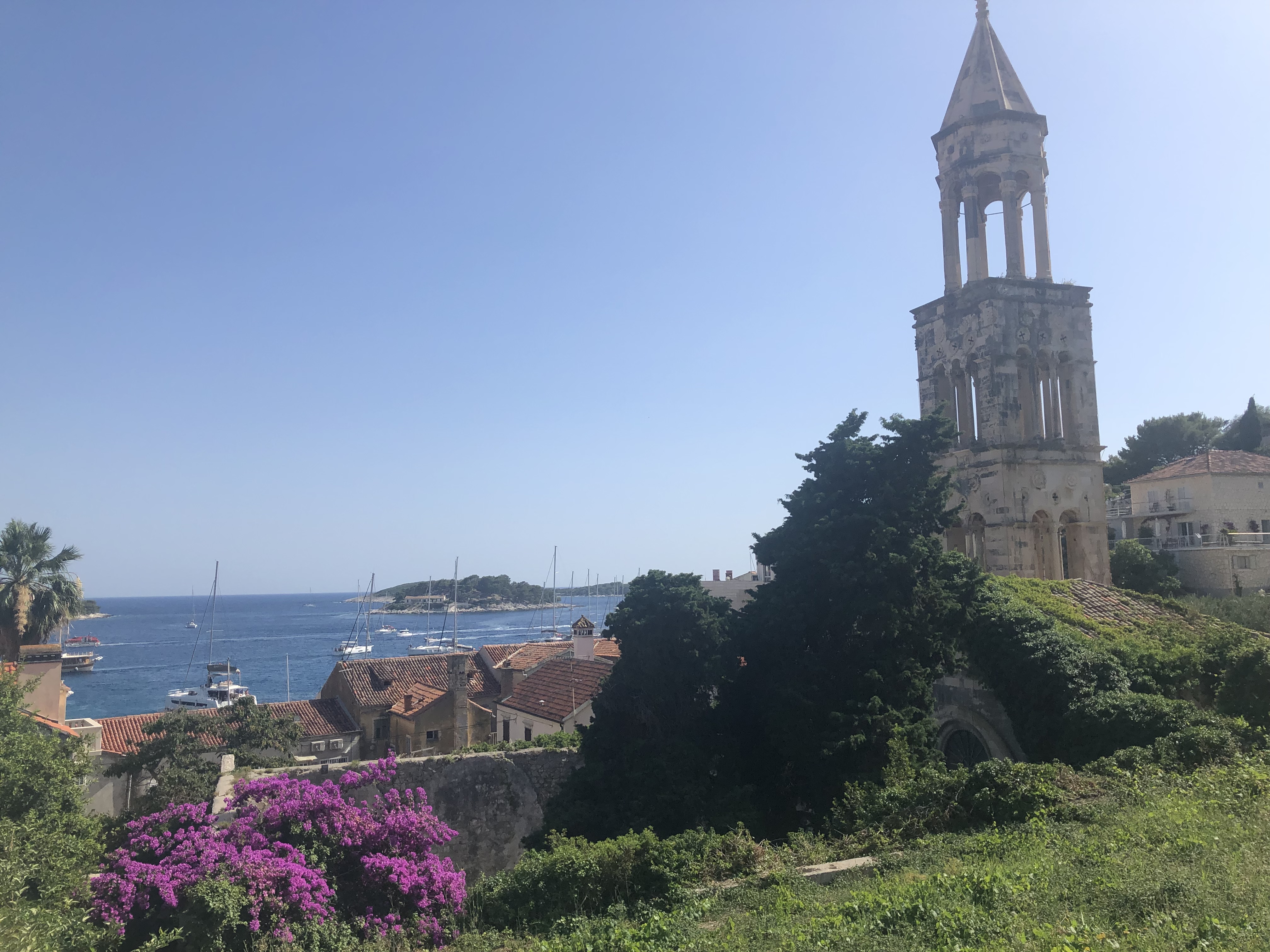
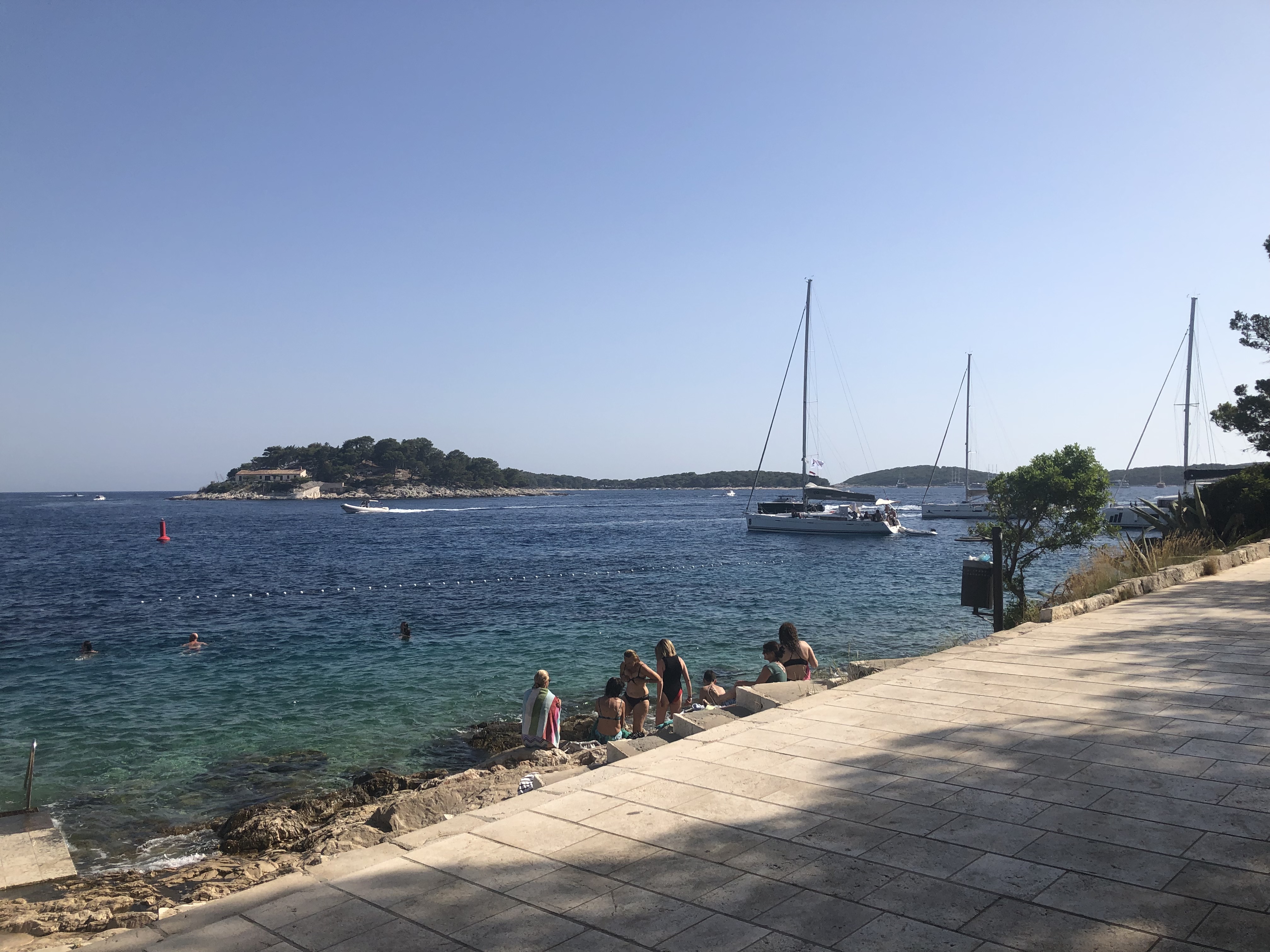
Croatia boasts more than 700 islands off its coast in the Adriatic sea. Considering how central the sea is to Croatian life, an island-hopping tour is something you must not miss. While you can take a boat tour from Dubrovnik, Split is much closer to popular islands such as Hvar and Brac, and it is easier to hit several islands in one day.
Our tour was supposed to explore the famous “blue caves”, but the sea was very rough that day so we unfortunately had to skip that portion. However, our good-natured guides still provided a fun day of island hopping, with stops at Vis, Hvar and Korcula. If we had more time in Croatia, I would have spent a day or two in Hvar, which features busy Hvar town, multiple beaches, an ancient fort and inland lavender fields.
Explore Diocletian’s Palace
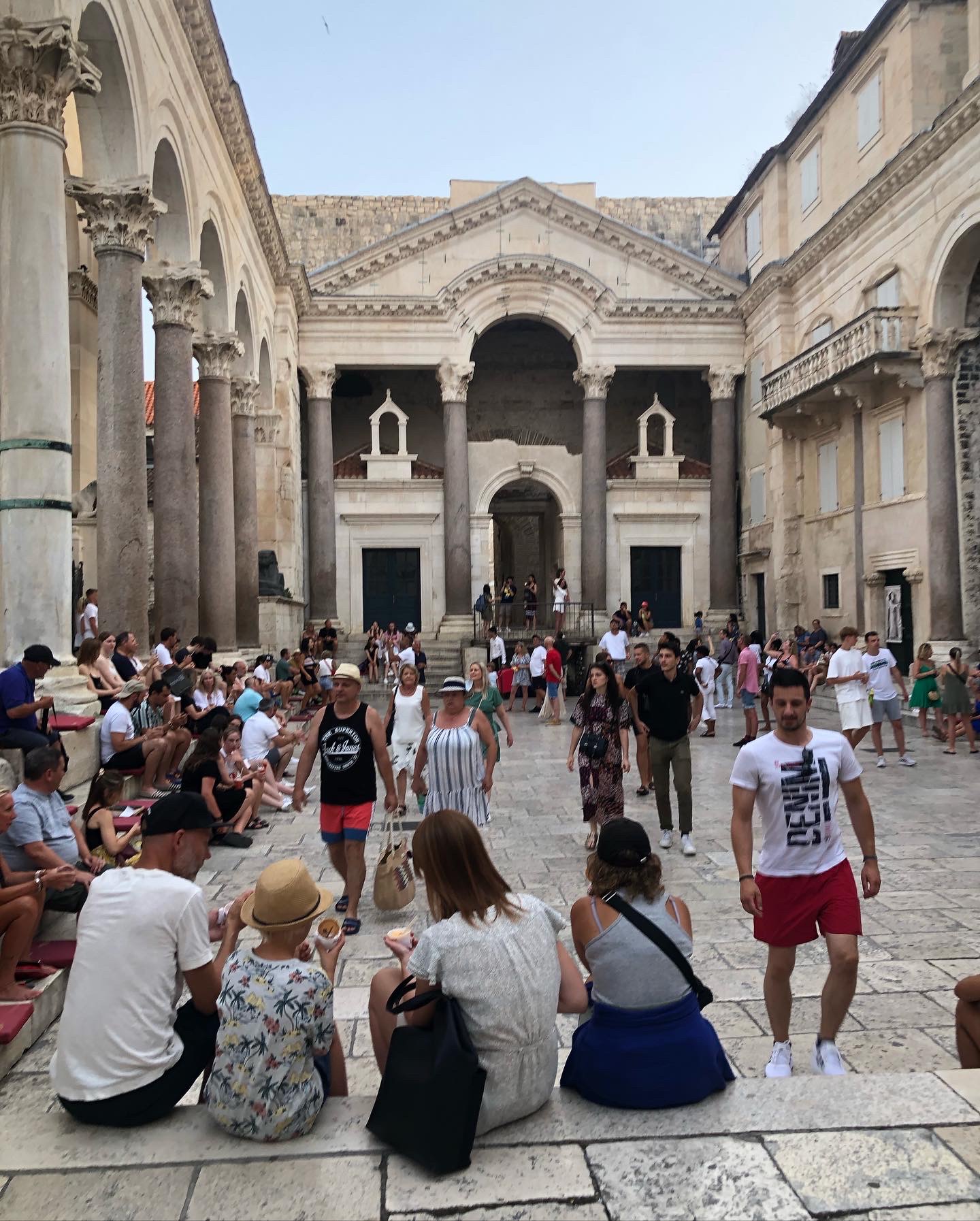

Built by the Roman emperor Diocletian at the turn of the 4th Century AD as a “retirement home”, the palace comprises about half of Split’s Old Town, and listed as a UNESCO World Heritage Site. .
The miles of winding streets within the sprawling palace make you feel like you are in some medieval period-piece. The alleys and corridors run by shops, restaurants, markets and flats that are tucked into the walls, and emerge into several large plazas such as the Peristyle, where residents and tourists alike gather to hang out, eat gelato and listen to music.
Swim at Bacvice Beach
Similar to Dubrovnik, Split features random ladders all over the city that lead down to the sea. In the 85 degree-plus heat we encountered during our trip, those ladders were inviting. After hiking up Marjan Hill, we headed over to Bacvice Beach, the popular swimming spot encircled with those inviting ladders. Bacvice Beach isn’t really a beach (not much sand, and most folks lay out on the concrete walls or loungers), but it is wide and shallow–diluting the crowds and giving everyone enough space to swim a few laps or take a quick dip. In June and July, the water temperature is cool and refreshing, and a welcome relief from the scorching Mediterranean sun.
Plitvice Lakes National Park



Hiking
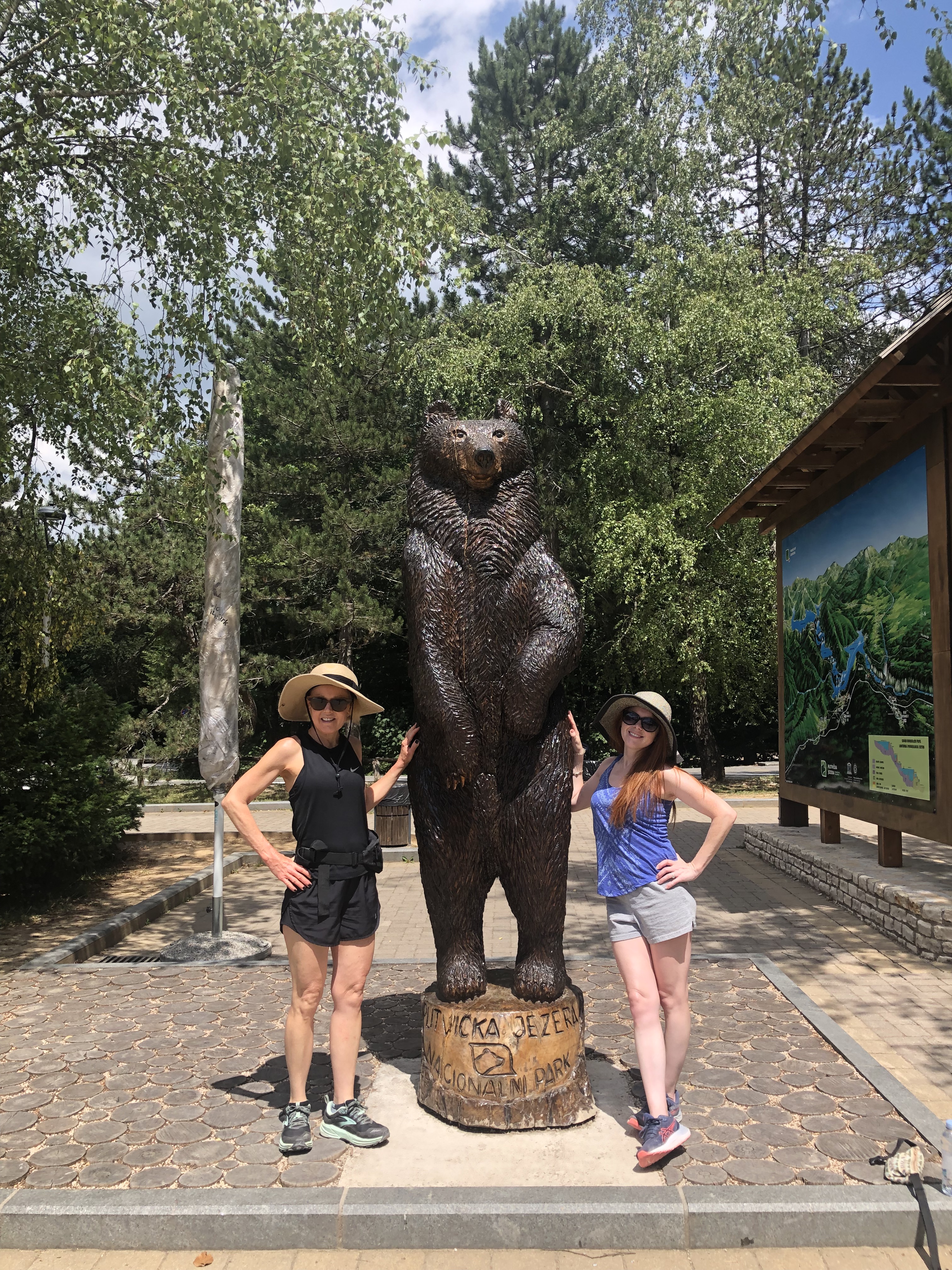
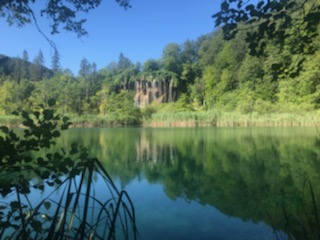
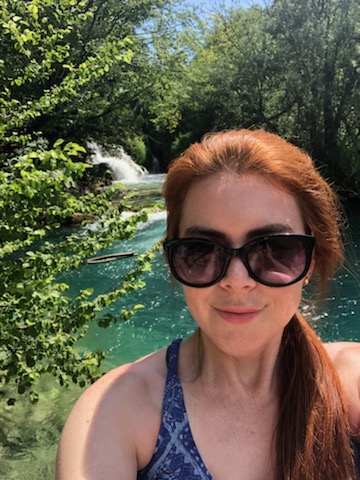
Make sure you purchase a ticket to the park before you go–the park limits daily visitors and it is required that you book in advance in order to gain admission. We purchased a two-day ticket and visited the park on consecutive days. The first day we hiked the Lower Lakes in one afternoon, then came back the next morning to visit the Upper Lakes. Both areas of the park are absolutely worth seeing, as there are clear differences between the two: the Lower Lakes are cavernous and remind you a little of Yosemite National Park, while the Upper Lakes feature miles of plank trails over rivers and water, and moss-covered waterfalls that look like something out of a Lord of the Rings movie. Make sure you take a ferry or two, as the 20-30 minute ride over the cerulean water is like floating on a cloud.
Running
While all of the outdoor activities and constant walking provided more than enough action for the day (the pedometer on my phone logged 30,000 daily steps at one point), I did look for an opportunity to go for a jog while on the trip. Dubrovnik is not ideal with the slippery cobblestones and congested streets, but Split has Marjan Hill, which includes a beautiful park that overlooks the city. I made sure to get up early–if you are here in the summer and it’s past 8:30am, you will melt into the pavement.
Food


Everyone knows about Italian food (pasta). And Mexican food (tacos). And Japanese food (sushi). No one ever talks about Croatian food. But they are missing out! Heavy on the seafood and pasta (especially on the Dalmatian Coast), with an Eastern European influence, Croatian staples such as bureks (cheese, meat and/or spinach-filled breakfast pastry) and squid-ink risotto (cuttlefish or squid in a creamy, dark risotto) are a revelation. Like many European countries, especially those which skirt the Mediterranean, Croatian eateries offer ample outdoor seating. Eager to enjoy the warm summer sun and gentle sea breeze, I don’t think we consumed one meal indoors!
Our first night in Dubrovnik, when we wanted a quick and tasty bite to eat, we ducked into Barba, a tiny street food café nestled into one of the side streets near the Pile Gate. I dug into their shrimp burger, which had a pumpernickel bun and a delightful aioli. Hands-down the best meal we ate in Dubrovnik was at Azur. Shaded by the limestone walls and shielded from most of the Old City commotion, we indulged in Asian fusion dishes such as K-pop chicken sliders and crispy skin salmon with rice. The food presentation was also gorgeous. We felt like we had a 5-star dining experience at a reasonable price.
After the three-hour road trip to Split, we required some sustenance and happened upon Articok Restaurant. Croatians tend to eat later so if you show up without a reservation before 6:30 you should be fine, otherwise you should book a table beforehand. They had a nice rooftop deck with a peek at the ocean, and delicious food, including the creamy artichoke soup and duck breast with truffle oil and vegetables.
For a helping of delicious Dalmatian food and side of fascinating history, the Split History & Gastro Tour was fun and interesting. We wandered through the walls of Diocletian’s Palace and along the Riva, sampling fare that we might not have chosen ourselves such as olive oil pie (pretty good) and special cheeses from the interior of the country.
Despite it’s remote location, the area surrounding Plitvice Lakes includes some great restaurants, including Bistro Plum. Their meals are beautifully presented and delicious, and offer views of the rolling hills. That being said, you want to stock up on snacks before you head to the Lakes, since everything is spread out and it’s hard to find just a sandwich when you want one.
Recovery Meetings
Unfortunately, our schedule did not allow for me to make the few English-speaking meetings in Croatia that had survived Covid. The one meeting I had planned to attend in Split was actually in Croatian and I would have had to have an interpreter. However, if you would like to give it a shot, these are the meetings currently held in Croatia (that may or may not be in English!)
 The Temperate Traveler
One thought on “Croatia”